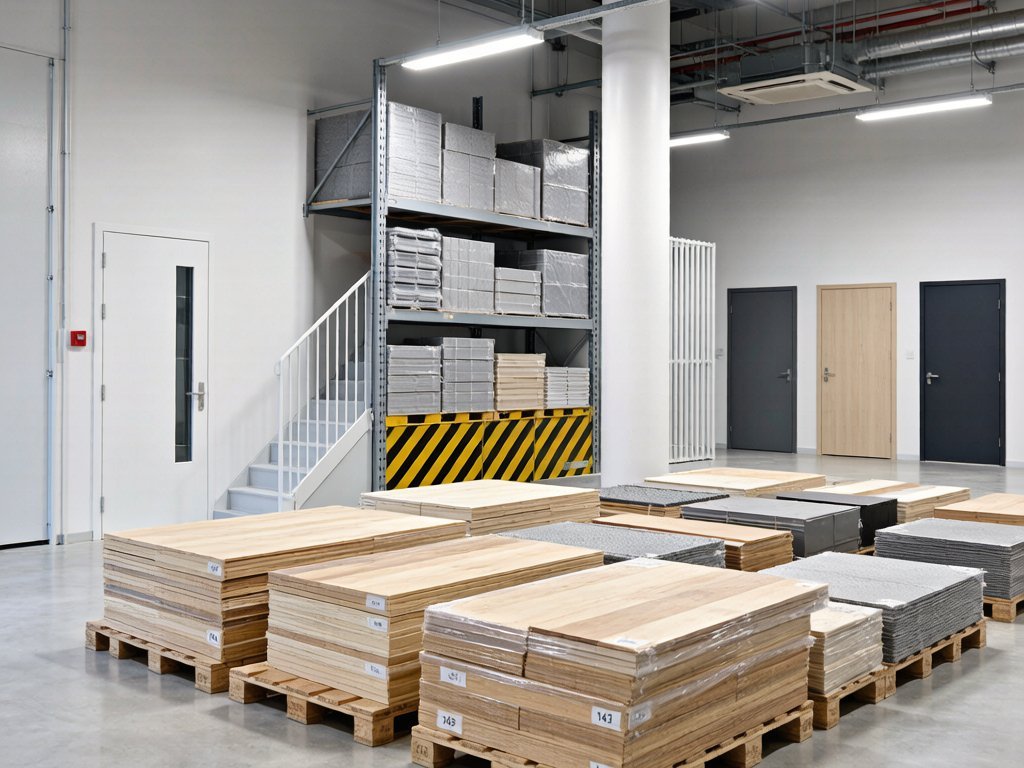
The China Sourcing Answer in One Screen
How can developers and operators source reliable renovation materials from China for commercial projects across Southeast Asia?
Why source renovation materials from China?
China offers the world's largest manufacturing base, competitive pricing, wide product variety and mature export infrastructure for commercial renovation materials.
Which Southeast Asia markets benefit most?
Thailand, Malaysia, Singapore, Indonesia, Vietnam and the Philippines all have active commercial construction and renovation demand.
What is the biggest sourcing risk?
Quality inconsistency and supplier miscommunication. These are best managed through factory evaluation, sample approval and pre-shipment inspection.
Can materials be customised?
Yes. Many factories offer custom dimensions, colours, finishes, packaging and labelling for commercial projects.
What You Need to Know
The principles that matter most for this topic.
China's manufacturing ecosystem is unmatched for scale
Guangdong and surrounding regions offer flooring, panels, ceilings, doors, cabinets, furniture and hardware in one sourcing radius.
Supplier selection is the foundation of quality
Factory capability, export experience and communication matter more than the lowest quoted price.
Quality control happens at multiple stages
Sample approval, production monitoring and pre-shipment inspection all reduce risk.
Logistics planning affects total cost
Container utilisation, consolidation and port selection impact the landed price.
Standardisation saves money and time
Fewer custom variations reduce errors, speed production and simplify installation.
A sourcing partner reduces complexity
Jaydon Space coordinates supplier evaluation, inspection, consolidation and shipping for Southeast Asia projects.
Why Source Renovation Materials from China?
The scale and specialisation of China's supply chain create real advantages for commercial projects.
Sourcing from China is not only about price. It is about access to a mature ecosystem where factories specialise by product, compete on quality and can produce at the volume commercial projects need.
Manufacturing ecosystem
Clusters of suppliers produce complementary materials within short distances.
Product variety
Almost every finish, style, grade and price point is available.
Competitive pricing
Scale and competition keep prices sharp without sacrificing quality when suppliers are vetted.
Customisation capability
Factories adjust specifications, colours, packaging and dimensions for project needs.
Stable production capacity
Established factories can handle medium and large commercial orders reliably.
Export experience
Many factories are experienced with Southeast Asia requirements, packaging and documentation.
Guangdong province is one of the most important production hubs. Foshan is known for ceramics, furniture and building materials. The region supports integrated procurement where flooring, panels, doors, ceilings, bathroom products and furniture can be sourced within a compact radius and consolidated for shipment.
Which Commercial Renovation Materials Can Be Sourced?
These categories cover the majority of commercial renovation needs.
SPC Flooring
Waterproof, fast-install flooring for hotels, offices, retail and restaurants.
Wall Panels
Decorative panels, WPC, carbon crystal and flexible stone for feature walls.
Ceiling Systems
Acoustic tiles, baffles, linear systems and metal ceilings.
Bathroom Products
Sanitary ware, faucets, showers, vanities and mirrors.
Doors
Interior doors, fire-rated doors, acoustic doors and entrance doors.
Cabinets
Kitchen, bathroom, reception and storage cabinetry.
Furniture
Hotel, office, restaurant and retail furniture at scale.
Lighting
LED downlights, track lights, pendants and custom fixtures.
How to Choose Reliable Suppliers
Supplier selection determines quality, schedule and communication more than any other decision.
Supplier Evaluation Checklist
| Factor | What to Look For |
|---|---|
| Factory vs Trading Company | Direct factories offer better pricing and control; trading companies add flexibility and coordination. |
| Production capacity | Can they handle your volume and timeline without overcommitting? |
| Export experience | Have they shipped to Southeast Asia before? Do they understand packaging and documentation? |
| MOQ | Minimum order quantities should match your project size. |
| Certifications | Look for relevant quality, environmental and fire-safety certifications. |
| Sample quality | Samples should match or exceed the quality you expect in production. |
| Communication | Clear, responsive communication reduces errors during production. |
| Lead time | Confirm realistic production and delivery schedules. |
| After-sales support | Ask how they handle defects, replacements and warranty claims. |
Quality Control Before Shipment
Quality problems are cheapest to fix before the container leaves the factory.
Factory Inspection
- Check production lines and quality stations
- Review raw material incoming controls
- Confirm the factory can produce the approved sample consistently
Sample Approval
- Lock the exact colour, finish, texture and dimensions
- Document the approved sample with photos and signatures
- Use the sample as the production standard
Production Monitoring
- Check work-in-process at key stages
- Verify that materials match the approved sample
- Catch deviations early when they are still cheap to fix
Pre-shipment Inspection
- Inspect finished goods for defects
- Verify quantity and packaging
- Confirm documentation and labelling
Logistics and Delivery
Logistics is where good sourcing becomes a successful project.
Container Planning
Calculate volume, weight and loading sequence for each product category.
LCL vs FCL
Choose FCL for full containers; LCL for smaller volumes sharing space.
Shipping Method
Select sea, road, rail or air based on urgency, cargo type and cost.
Lead Times
Plan production, shipping, customs and local delivery with realistic buffers.
Port Selection
Choose ports that minimise inland transport to the project site.
Packaging
Ensure export-ready packaging for ocean or road transport.
Customs Documents
Prepare commercial invoice, packing list, bill of lading and product specifications.
Project Coordination
Align delivery with site readiness and installation schedule.
Cost Saving Strategies
Sustainable savings come from smart procurement, not just cheaper quotes.
Integrated purchasing
Source related materials from the same region to reduce coordination cost.
Supplier consolidation
Combine multiple suppliers into one shipment to lower freight and handling.
Standardised specifications
Reduce custom work and production errors.
Bulk procurement
Larger volumes often unlock better pricing and priority scheduling.
Prefabricated products
Ready-to-install systems reduce labour and site time.
Lifecycle cost analysis
Durable materials may cost more initially but save over the project life.
Common Procurement Mistakes
These mistakes increase cost, delay projects and damage quality.
Choosing lowest price only
Low quotes may hide quality problems, poor service or unclear specifications.
No quality inspection
Defective goods become expensive problems after shipment.
Late ordering
Rush production and expedited shipping destroy margins.
Ignoring installation requirements
Materials must match local installation skills and site conditions.
Mixing specifications
Inconsistent specs across suppliers create confusion and waste.
No backup supplier
Single-source dependency increases risk if the factory delays.
Recommended Material Categories
These categories typically deliver the best value for commercial renovations in Southeast Asia.
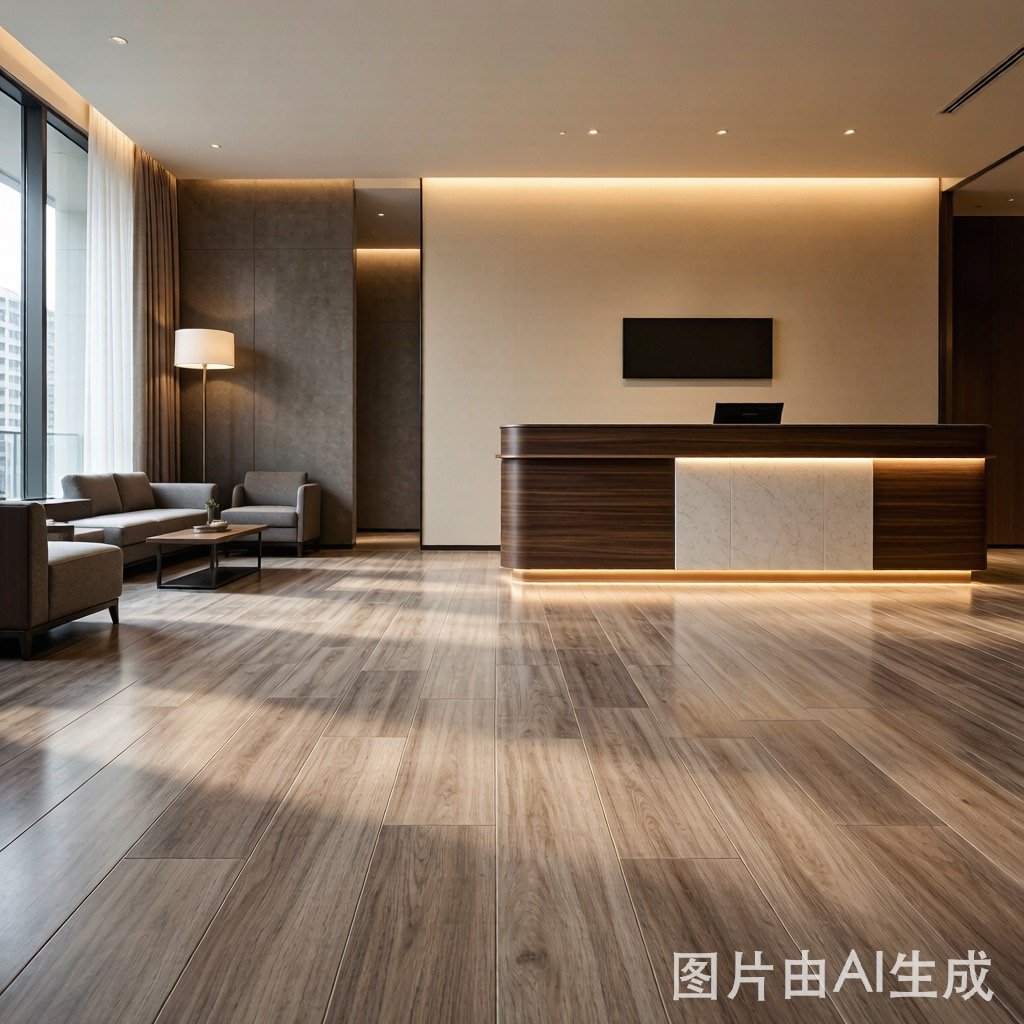
SPC Flooring

Wall Panels
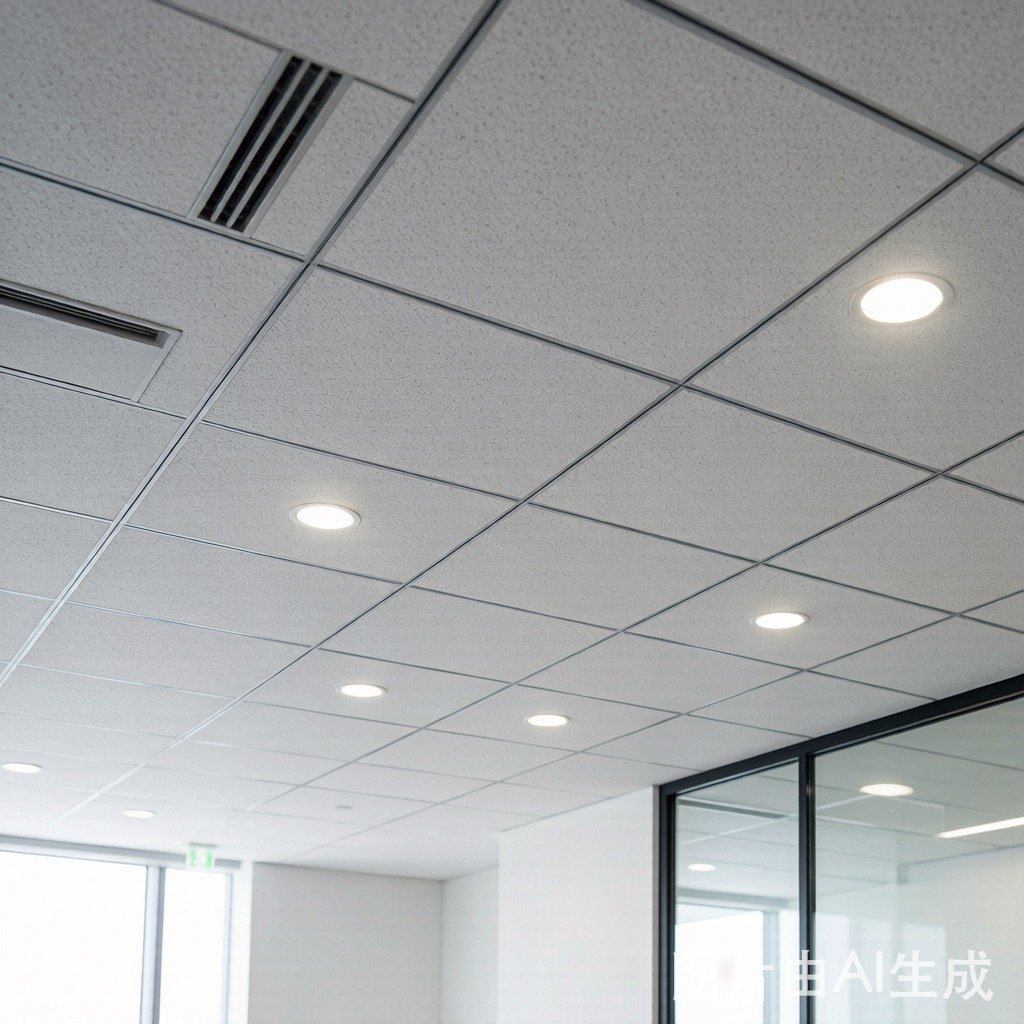
Ceiling Systems
Why Work with a Sourcing Partner?
A sourcing partner turns the complexity of China procurement into a managed service.
Jaydon Space Solutions works as a sourcing and material coordination partner for commercial projects across Southeast Asia. We verify suppliers, manage samples, coordinate quality inspections, consolidate shipments and support documentation. Our role is to reduce procurement risk and make sure the right materials arrive at the right time for the right cost.
Sourcing materials from China for a Southeast Asia project? Let us help.
Sourcing enquiryFrequently Asked Questions
Practical answers written for featured snippets and AI citation.
Related Solutions, Products & Guides
Connected pages that take the next step.

Importing Building Materials to Thailand
A complete guide to sourcing, logistics, customs and quality control for Thailand projects.
View →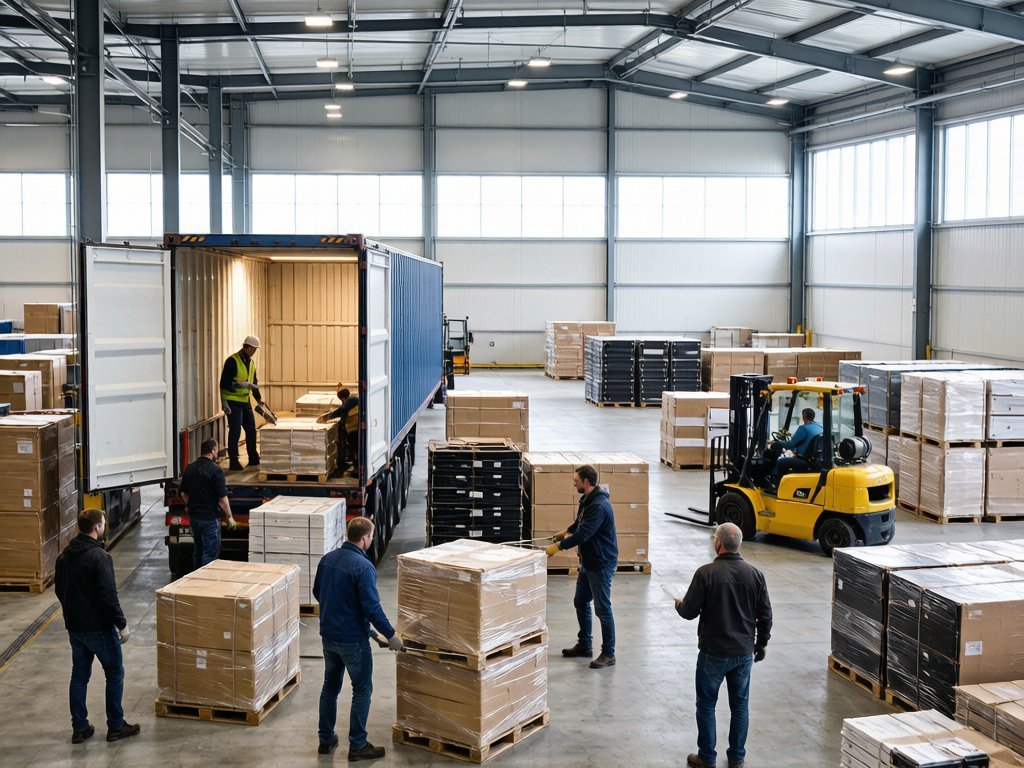
Consolidate Multiple Suppliers into One Shipment
Reduce logistics cost and simplify procurement by consolidating multiple suppliers.
View →
Commercial Office Renovation Guide
Plan smarter workspaces with practical materials and cost strategies.
View →
SPC Flooring vs Traditional Flooring
Compare flooring systems for commercial spaces in Thailand.
View →Material Sourcing Service
One-stop procurement coordination for commercial renovation materials.
View →SPC Flooring
Waterproof click-lock flooring for commercial spaces.
View →Sourcing Materials from China for Southeast Asia?
Jaydon Space Solutions helps commercial projects source renovation materials from China with supplier verification, quality control, logistics coordination and consolidated shipping to Southeast Asia.
Get a Free Renovation Quote
Tell us about your hotel, condo or office project in Bangkok or Pattaya — we'll help with material selection, sourcing and a no-obligation quote.