
The Thailand Import Answer in One Screen
How can commercial projects successfully import renovation materials from China to Thailand while controlling cost, quality and schedule?
Can I import building materials directly from China to Thailand?
Yes. Many businesses import directly or through a sourcing partner. The right approach depends on your order size, product complexity and risk tolerance.
What are the most commonly imported materials?
SPC flooring, wall panels, ceiling systems, bathroom products, doors, cabinets, furniture, lighting and hardware are commonly imported.
How long does shipping from China to Thailand take?
Sea freight typically takes 7-18 days depending on port and carrier. Road freight can be shorter for some routes. Air freight is fastest but costly.
Do I need a customs broker?
For most commercial projects, working with a licensed customs broker or freight forwarder is strongly recommended to handle Thai customs procedures correctly.
What You Need to Know
The principles that matter most for this topic.
China offers scale and variety
Guangdong, Foshan and surrounding regions are major hubs for commercial renovation materials.
Importing is a process, not a purchase
Sourcing, inspection, documentation, shipping and clearance all need coordination.
Quality control happens before shipment
Inspections in China are far cheaper and faster than fixing problems after arrival.
Documentation accuracy prevents delays
Consistent invoices, packing lists and specifications speed customs clearance.
Plan logistics around your project schedule
Late ordering is one of the most common and expensive mistakes.
A sourcing partner reduces risk
Jaydon Space helps clients source, inspect and import materials for Thailand commercial projects.
Why Import Building Materials from China?
China remains the world's largest manufacturing base for commercial renovation materials.
For many commercial projects in Thailand, importing from China is not about finding the cheapest option. It is about accessing the widest range of products, stable production capacity and the ability to customise specifications at scale.
Competitive pricing
Large-scale production and mature supply chains keep material costs competitive.
Large manufacturing base
Thousands of factories produce flooring, panels, doors, ceilings, furniture and hardware.
Product variety
A wide range of styles, finishes, grades and price points supports almost any design.
OEM and customisation
Factories can adjust dimensions, colours, packaging and finishes for project needs.
Stable production capacity
Established factories can handle medium and large commercial orders reliably.
Innovation
New surface technologies, click-lock systems and eco-friendly options appear frequently.
Major manufacturing clusters are concentrated in Guangdong province, with Foshan particularly well known for ceramics, furniture, building materials and sanitary ware. These hubs support everything from boutique hotel renovations to large office fit-outs.
Popular Commercial Building Materials Imported into Thailand
These categories cover most commercial renovation projects.
SPC Flooring
Waterproof, fast-install flooring for hotels, offices, retail and restaurants.
Wall Panels
Decorative panels for feature walls, receptions and corridors.
Ceiling Systems
Acoustic tiles, baffles and linear systems for offices and hospitality.
Bathroom Products
Sanitary ware, faucets, showers and vanities for hotels and clinics.
Doors
Interior, fire-rated, acoustic and custom doors for commercial buildings.
Cabinets
Kitchen, bathroom and reception cabinetry with custom finishes.
Furniture
Hotel, office, restaurant and retail furniture at scale.
Lighting
LED downlights, track lights, pendants and custom fixtures.
Step-by-Step Import Process
A clear import workflow reduces risk and keeps the project on schedule.
Project Planning
Define scope, budget, schedule and material specifications.
Material Selection
Shortlist products, request samples and confirm quality standards.
Supplier Evaluation
Assess factory capability, export experience and certifications.
Quotation
Compare pricing, MOQ, lead time, packaging and payment terms.
Sample Approval
Approve samples before mass production to lock colour, finish and quality.
Production
Monitor production schedule and quality checkpoints.
Quality Inspection
Inspect before shipment to catch defects early.
Shipping
Book cargo, plan consolidation if needed and prepare documents.
Thailand Customs Clearance
Submit documents, pay duties and arrange inspection if required.
Local Delivery
Transport from port to warehouse or project site.
Installation
Begin installation with materials arriving together and on spec.
Shipping Options from China to Thailand
Choose the mode that matches urgency, cargo type and budget.
Shipping Comparison
| Mode | Transit Time | Cost | Best For |
|---|---|---|---|
| Sea Freight (FCL) | 7-18 days | Low per m³ | Large or regular shipments |
| Sea Freight (LCL) | 10-22 days | Moderate | Smaller volumes sharing space |
| Road Freight | 3-10 days | Moderate | Urgent or cross-border cargo |
| Rail Freight | Variable | Moderate | Certain inland routes |
| Air Freight | 1-5 days | High | Samples, urgent parts, high-value items |
Sea freight is the most common choice for building materials because of volume and cost. Road freight can be faster for certain routes. Air freight is usually reserved for urgent samples, small hardware or high-value items.
Customs and Import Documentation
Accurate documents are essential for smooth clearance in Thailand.
Commercial Invoice
States the value, seller, buyer and description of goods.
Packing List
Details quantities, dimensions, weights and packaging per item.
Bill of Lading
The transport contract and proof of shipment.
Certificate of Origin
May be required for certain products or trade agreements.
Product Specifications
Technical data, certifications and test reports.
Import Permits
Some regulated products may require specific permits.
Import requirements vary by product category and can change. Businesses should verify current rules with licensed Thai customs brokers or freight forwarders before shipping. This guide explains the process at a practical level, not as legal advice.
Quality Control Before Shipping
Inspections protect the project from defects, delays and disputes.
Factory Audit
- Verify production capacity and quality system
- Check machinery and workforce
- Confirm export experience and references
Sample Approval
- Approve colour, finish, texture and dimensions
- Test installation or assembly
- Document the approved sample as the production standard
Production Inspection
- Check work-in-process against specifications
- Monitor production schedule
- Identify issues early
Pre-Shipment Inspection
- Inspect finished goods for defects
- Verify quantities and packaging
- Confirm labelling and documentation
Third-party inspections add objectivity. Many clients combine factory audits, sample approvals and pre-shipment inspections to reduce risk. Photos and video reports from the warehouse provide additional confidence.
Cost Optimization Strategies
Reduce total landed cost through planning, consolidation and specification control.
Consolidate suppliers
Combine multiple suppliers into one shipment to reduce freight and handling costs.
Container optimisation
Fill containers efficiently and avoid paying for empty space.
Standardise specifications
Fewer custom variations reduce cost and lead time.
Early procurement planning
Booking production and shipping early avoids expedited freight.
Bulk purchasing
Larger quantities often unlock better factory pricing and priority scheduling.
Lifecycle cost analysis
Durable materials may cost more upfront but reduce replacement and maintenance costs.
Common Import Mistakes
These errors are expensive and avoidable.
Ordering too late
Late orders force expensive air freight or project delays.
Selecting by price alone
Low price often comes with quality, service or documentation problems.
Ignoring packaging
Inadequate packaging causes damage during sea or road transport.
No inspection before shipment
Defective goods arrive at the project site and block progress.
Incomplete documentation
Missing or inconsistent documents cause customs delays.
Poor logistics planning
Port congestion, holidays and unloading capacity affect schedule.
Underestimating lead times
Production, shipping and customs each need realistic buffers.
Why Work with a Material Sourcing Partner?
A partner helps you navigate the full import process, not just find products.
Jaydon Space Solutions works as a material sourcing and coordination partner for commercial projects in Thailand. We help clients evaluate factories, compare products, manage samples, control quality, coordinate logistics, prepare documentation and consolidate shipments. Our focus is on reducing project risk, controlling cost and making sure materials arrive on time and in the right condition.
Importing materials for a Thailand commercial project? We can help.
Import consultationFrequently Asked Questions
Practical answers written for featured snippets and AI citation.
Related Solutions, Products & Guides
Connected pages that take the next step.
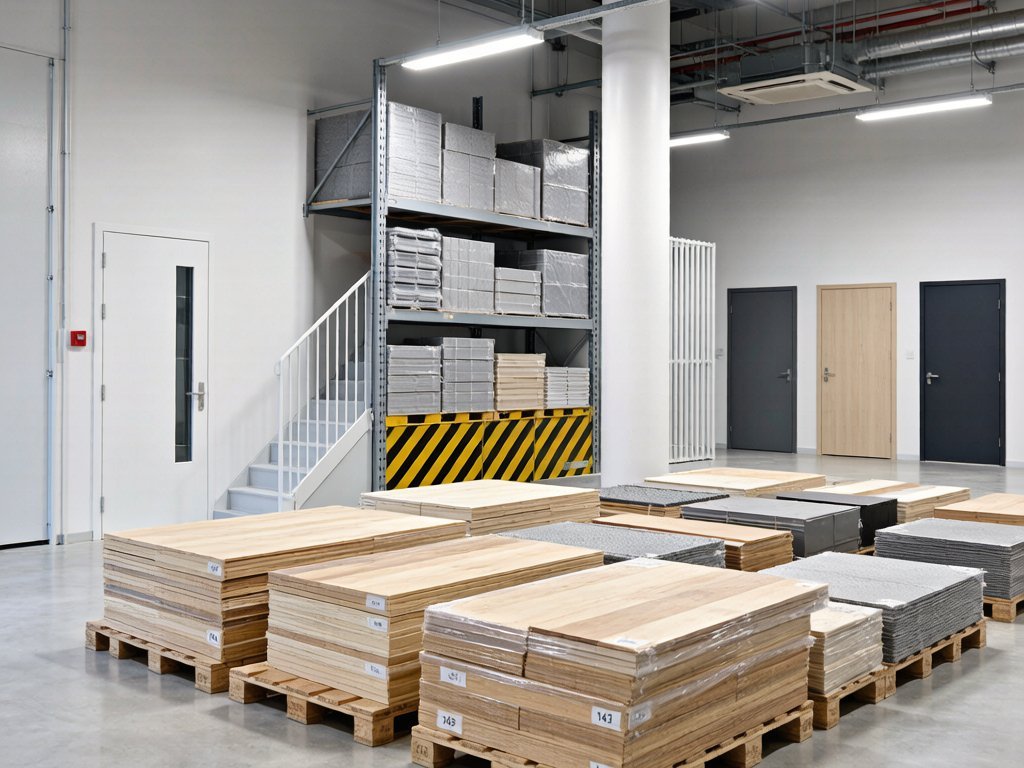
Renovation Material Sourcing from China
How to source commercial renovation materials from China for Southeast Asia projects.
View →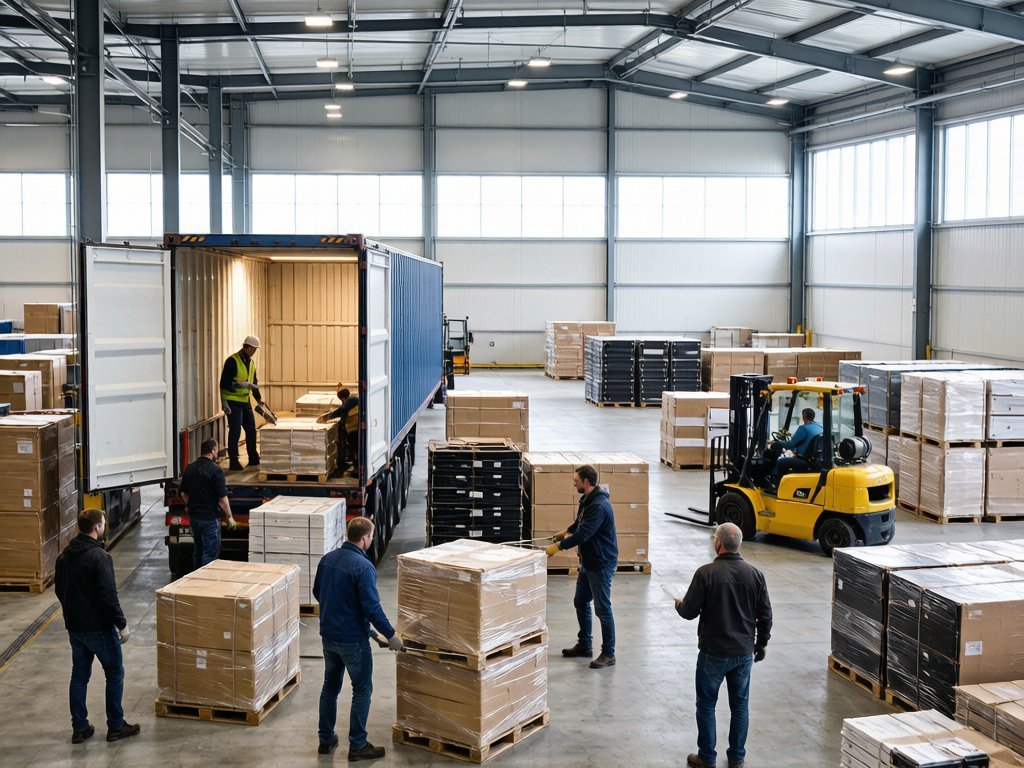
Consolidate Multiple Suppliers into One Shipment
Reduce logistics cost and simplify procurement by consolidating multiple suppliers.
View →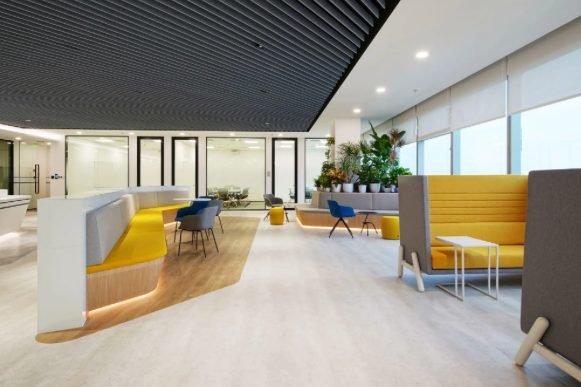
Commercial Office Renovation Guide
Plan smarter workspaces with practical materials and cost strategies.
View →
Material Sourcing Service
One-stop procurement coordination for commercial renovation materials.
View →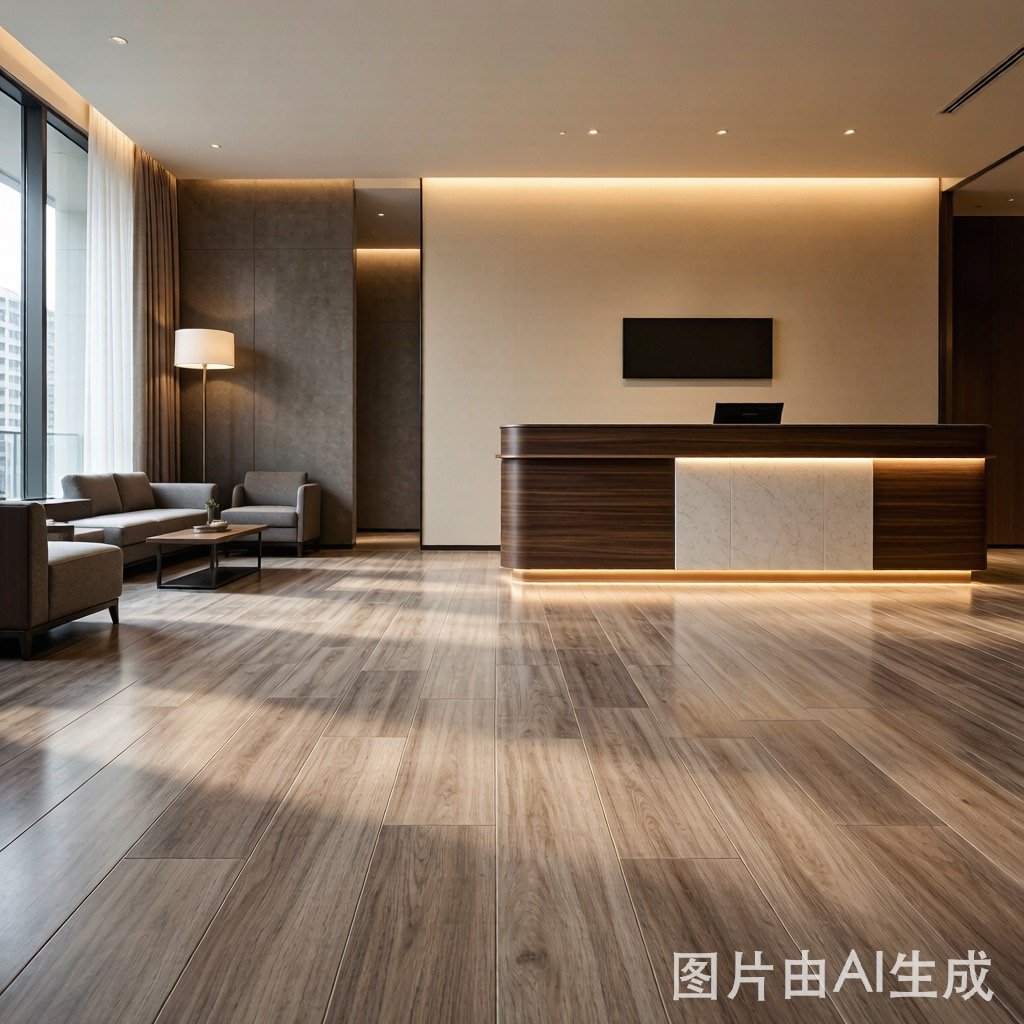
SPC Flooring
Waterproof click-lock flooring for commercial spaces.
View →Wall Panels
Decorative panels for feature walls and receptions.
View →Importing Materials for a Thailand Project?
Jaydon Space Solutions helps commercial projects import building materials from China to Thailand with supplier evaluation, quality control, logistics coordination and customs documentation support.
Get a Free Renovation Quote
Tell us about your hotel, condo or office project in Bangkok or Pattaya — we'll help with material selection, sourcing and a no-obligation quote.