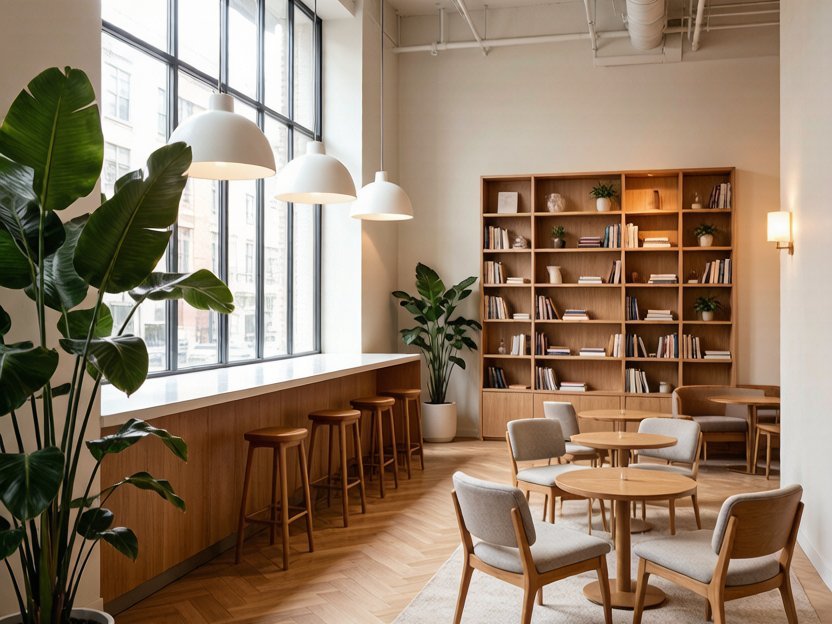
The Commercial Refresh Answer in One Screen
Can a business modernise its space without a full renovation, long closure or excessive budget?
Can commercial spaces look new without full renovation?
Yes. Targeted improvements to lighting, flooring, walls and customer-facing areas can transform perception without demolition, extended closure or high cost.
Which upgrades have the greatest visual impact?
Lighting, flooring and wall finishes usually deliver the biggest perceived change for the smallest investment.
What is the typical refresh timeline?
A visual refresh can take 1-2 weeks; a deeper business upgrade with material systems takes 2-6 weeks, depending on scope and phasing.
Which business types benefit most?
Hotels, restaurants, cafés, offices, retail stores, clinics and showrooms all benefit when the space is refreshed without stopping operations.
What You Need to Know
The principles that matter most for this topic.
Not every upgrade needs demolition
Surface, lighting and furniture refreshes can reset perception at a fraction of the cost.
Customer-facing upgrades generate the highest return
Entrance, lighting and floor are what guests and staff notice first.
Dry construction reduces downtime
Panels, click-lock flooring and modular systems install fast and with less dust.
Durable materials lower long-term maintenance
Commercial-grade surfaces pay back through lower repair and cleaning costs.
Phased renovation keeps businesses operating
Work zone by zone to avoid closing revenue-generating areas.
Strategic upgrades beat expensive redesigns
A focused refresh often lifts customer perception more than a costly full fit-out.
Why Businesses Renovate
Space quality flows directly into brand perception, customer experience and employee performance.
Space quality shapes customer experience, which shapes brand perception, which drives business performance. Refreshing is an operating decision, not just a cosmetic one.
Outdated brand image
Old interiors make a brand look behind, even if the product is good.
Declining customer traffic
A tired space loses foot traffic to newer, more appealing competitors.
Employee satisfaction
Better light, air and comfort improve retention and productivity.
Property value
Well-maintained interiors protect and increase asset value.
Competitive pressure
New entrants raise the standard for what customers expect.
Maintenance costs
Patching old materials often costs more than replacing them smartly.
Space Quality
Clean, modern, comfortable environments.
Customer Experience
Guests feel welcome and stay longer.
Brand Perception
The space reinforces quality and trust.
Business Performance
Revenue, retention and asset value improve.
Unsure whether to refresh or fully renovate? We will assess the right level of intervention.
Get an assessmentRefresh vs Full Renovation
Choose the approach that matches your business condition, budget and operating constraints.
Refresh vs Full Renovation
| Factor | Refresh | Full Renovation |
|---|---|---|
| Cost | Lower cost | Higher cost |
| Timeline | Faster installation | Longer timeline |
| Downtime | Minimal downtime | Temporary closure likely |
| Dust & disruption | Less dust | More demolition |
| Business risk | Lower risk | Higher risk |
| Best for | Functional systems, dated aesthetics | Structural change, layout change |
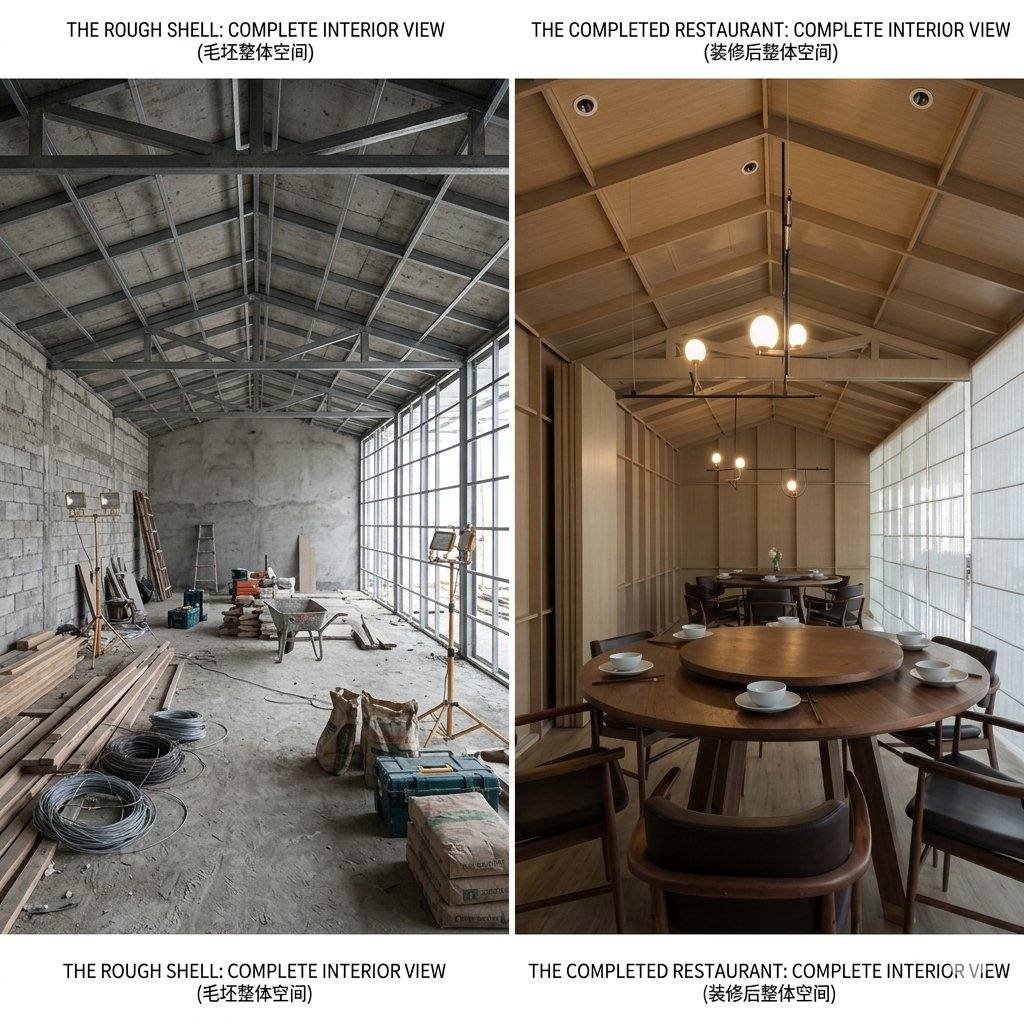
When to refresh
Refresh when the layout works but the space feels tired, the brand has moved on, or competitors look newer. A refresh targets surfaces, lighting, fixtures, furniture and signage.
When to renovate fully
Choose full renovation when the layout is wrong, systems are failing, or the building needs structural changes. The cost and closure are higher, but the transformation is deeper.
Not sure which path is right for your property? Book a quick diagnostic.
Book a diagnosticHighest ROI Upgrade Priorities
Rank improvements by visual impact, cost and business benefit.
Upgrade Priority Matrix
| Upgrade | Investment | Visual Impact | Business Benefit | Install Time | Maintenance |
|---|---|---|---|---|---|
| Lighting | Low | Very High | Mood, photos, safety | 1-3 days | Low |
| Flooring | Low-Medium | High | Perceived quality, safety | 1-7 days | Low |
| Wall finishes | Low-Medium | High | Brand feel, texture | 1-5 days | Low |
| Feature wall | Low | Very High | Photo moments, identity | 1-2 days | Low |
| Reception / Entrance | Medium | Very High | First impression | 3-10 days | Medium |
| Signage | Low | High | Visibility, wayfinding | 1-3 days | Low |
| Furniture refresh | Medium | Medium | Comfort, capacity | 1-3 days | Medium |
| Ceiling | Medium | Medium | Acoustics, atmosphere | 2-7 days | Low |
Light, floor and walls come first
These three upgrades change how a space feels and photographs more than any other single move. They are also fast to install and easy to maintain. Entrance and reception follow, because first impressions drive walk-ins and reviews.
Phase decorative upgrades last
Art, accessories and seasonal styling matter, but only after the core systems are right. A beautiful plant on a worn floor is still a worn floor.
Want us to prioritise your upgrades by ROI and operating impact?
Prioritise upgradesFast-Installation Material Systems
Integrated material systems that install quickly and stand up to commercial use.
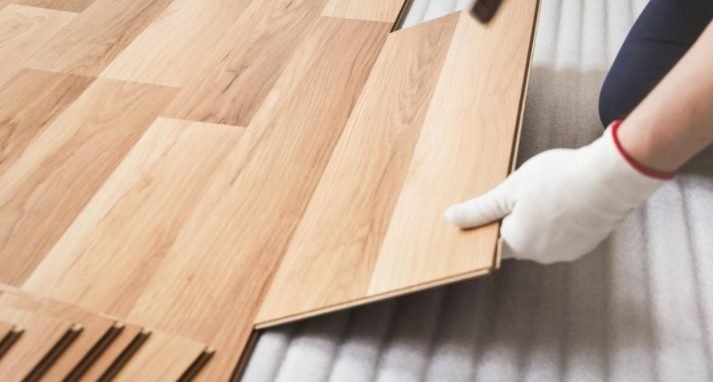
SPC / LVT Flooring
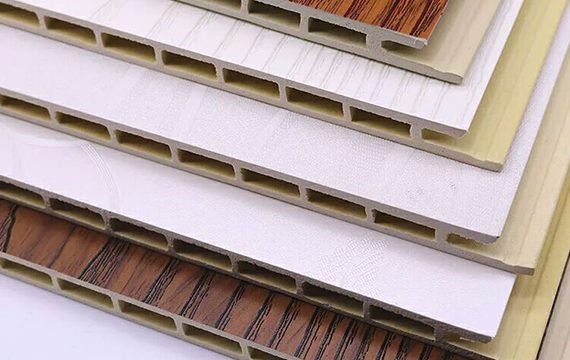
Decorative Wall Panels
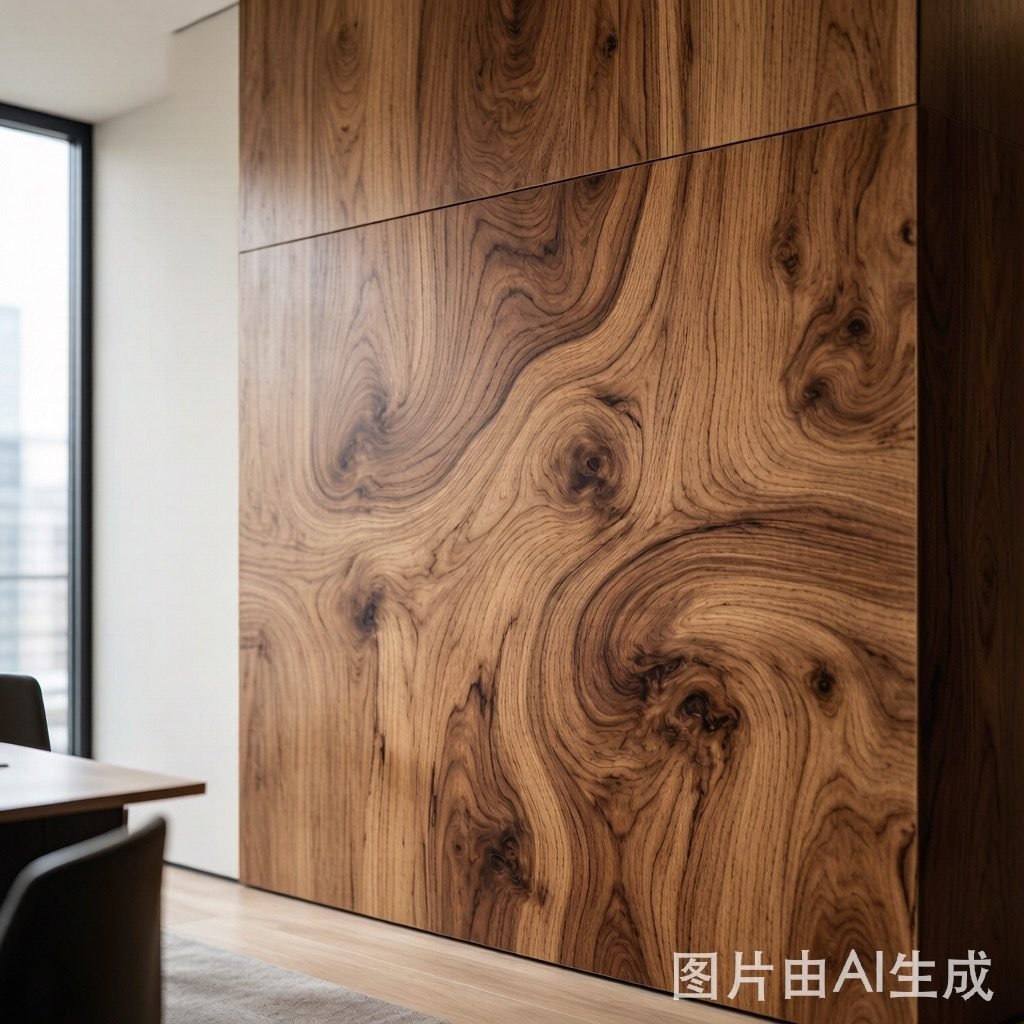
Wood Veneer
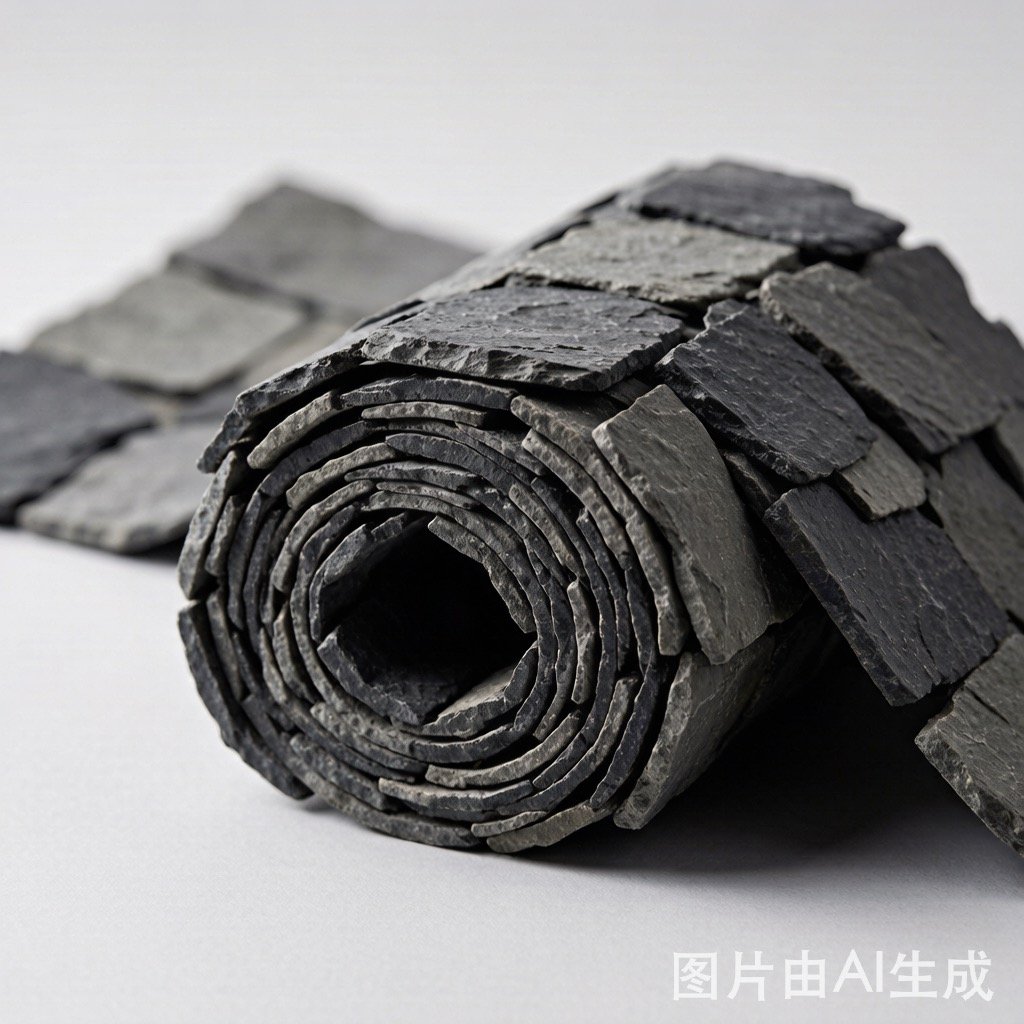
Soft Stone / Flexible Stone
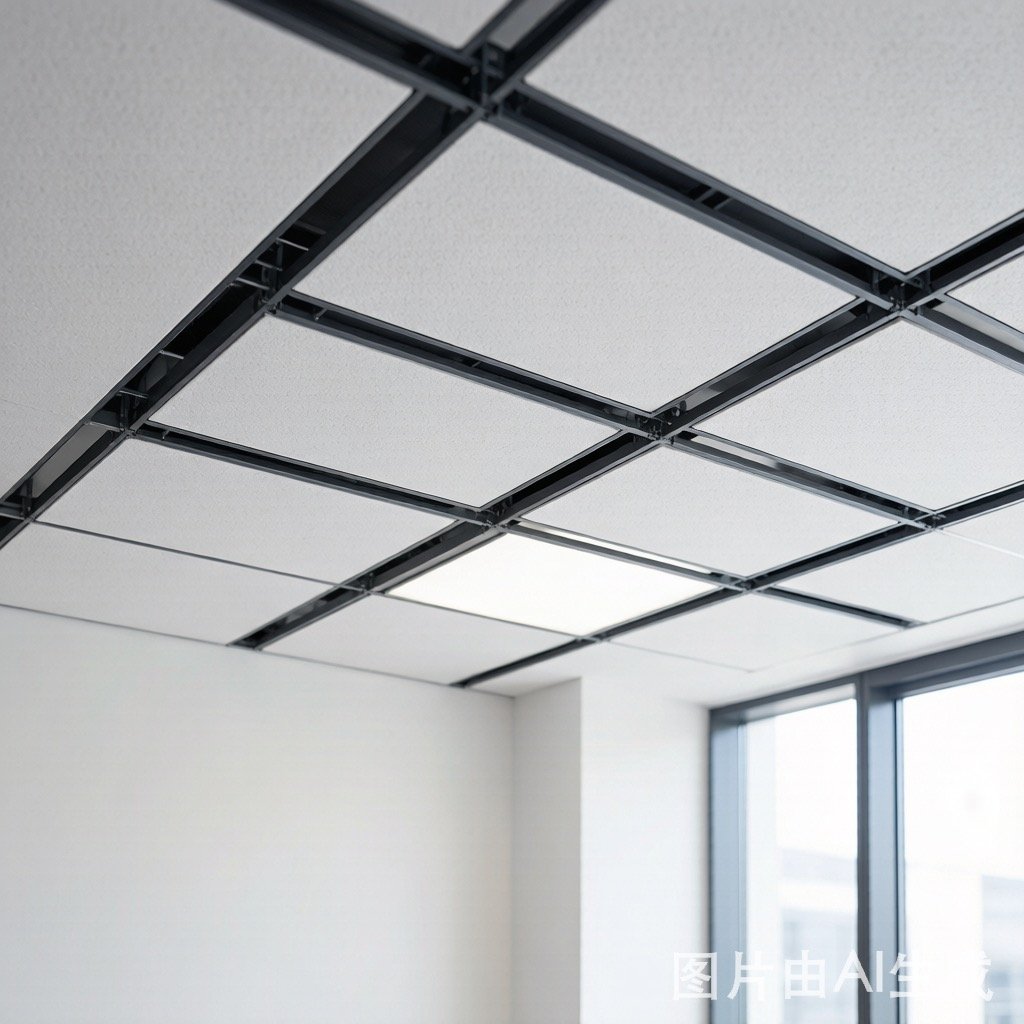
Modular Ceiling Systems
Think in systems, not single products
The fastest commercial refreshes combine a floor system, a wall system and a ceiling system that are installed dry. This removes wet trades, shortens drying time and lets the business reopen sooner.
Need a material system specified for your commercial space? We can shortlist the right combination.
Specify materialsRefresh Strategies by Industry
Different commercial sectors need different priorities, even when the budget is similar.
Industry Upgrade Matrix
| Industry | Priority Areas | Materials | Budget Focus |
|---|---|---|---|
| Hotel | Guest rooms, corridors, lobby | SPC + wall panels | Guest experience, reviews |
| Restaurant | Entrance, dining room, bar | Soft stone + lighting | Traffic and spend per cover |
| Café | Photo corner, counter, seating | Wood veneer + feature wall | Social sharing, dwell time |
| Office | Workstations, meeting rooms | Acoustic panels + SPC | Productivity, retention |
| Retail | Storefront, entrance, display | Decorative panels | Foot traffic, conversion |
| Clinic | Reception, treatment rooms | SPC + panels | Cleanliness, trust |
Match the upgrade to the business model
A hotel refresh should protect sleep quality and first impressions. A restaurant refresh should lift appetite and social appeal. An office refresh should reduce noise and fatigue. The same material system can serve very different goals when applied to the right zone.
Get a sector-specific refresh plan for your property.
Sector planCost Planning by Investment Level
Three budget tiers that deliver progressively deeper transformation.
Level 1 — Visual Refresh
Focus on lighting, paint, signage and furniture layout. Best for spaces that work but look tired. Typical impact: 10-20% perception uplift.
Level 2 — Business Upgrade
Add flooring, feature walls and ceiling improvements. Best for operators ready to lift the customer experience. Typical impact: 20-35% experience uplift.
Level 3 — Brand Repositioning
Combine material systems, custom fixtures and a new spatial identity. Best for repositioning or entering a premium segment. Typical impact: 35-60% perception and brand uplift.
Expected business outcomes
A visual refresh can improve reviews and foot traffic within weeks. A business upgrade can lift spend and employee retention. A repositioning refresh can justify higher prices and attract new customer segments.
Tell us your budget and business goals and we will build a phased plan.
Build a planCommon Renovation Mistakes
Avoid the errors that waste budget and damage the business during a refresh.
Replacing everything unnecessarily
Keep what works and refresh what shows.
Ignoring customer experience
Design for guests, not only for the owner.
Choosing low-quality materials
Cheap surfaces cost more in repairs and reputation.
No maintenance planning
Every finish needs a cleaning and repair protocol.
Poor project scheduling
Unplanned closures and noise hurt revenue.
Focusing only on aesthetics
Comfort, acoustics and flow matter as much as looks.
Ignoring operational disruption
Phasing and dry construction keep the business open.
Want a risk checklist before you start? We can review it together.
Review risksCommercial Renovation Checklist
A practical checklist to keep the project on track from goal to reopening.
Business Goals
- Define the business outcome: traffic, spend, reviews, retention
- Set a measurable target before work starts
- Align the design with brand positioning
Budget
- Separate must-do, should-do and nice-to-have
- Include 10-15% contingency
- Match the budget to the expected payback period
Material Selection
- Choose commercial-grade, easy-clean finishes
- Confirm stock and lead times before demolition
- Test samples under the actual lighting
Construction Planning
- Plan work in phases to minimise closure
- Use dry construction where possible
- Schedule noisy work outside peak hours
Communication
- Brief staff and customers about the timeline
- Post progress updates on social media
- Set clear access and safety zones
Quality Inspection
- Inspect finishes before final payment
- Test lighting, acoustics and airflow
- Create a punch list and close it
Reopening
- Clean thoroughly before reopening
- Update photos on listing and social platforms
- Train staff on new features and maintenance
Post-renovation Maintenance
- Schedule regular cleaning protocols
- Inspect high-traffic areas quarterly
- Plan refresh cycles every 3-5 years
Need help executing this checklist? We manage commercial refreshes end to end.
Manage my refreshFrequently Asked Questions
Practical answers written for featured snippets and AI citation.
Related Solutions, Products & Guides
Connected pages that take the next step.
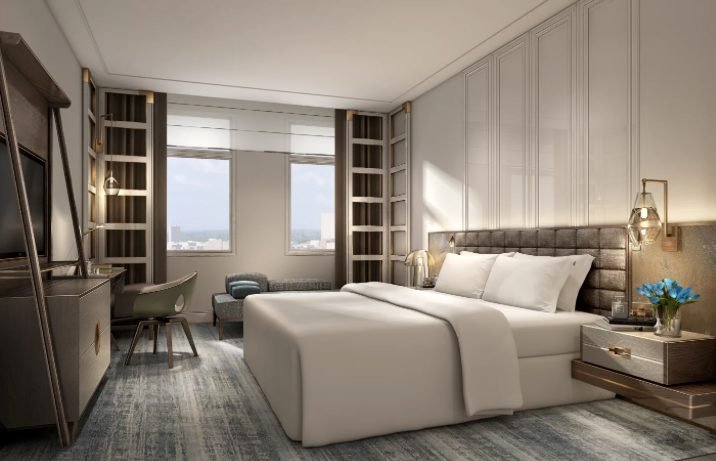
Hotel Renovation
Phased hotel upgrades that keep rooms open and guests satisfied.
View →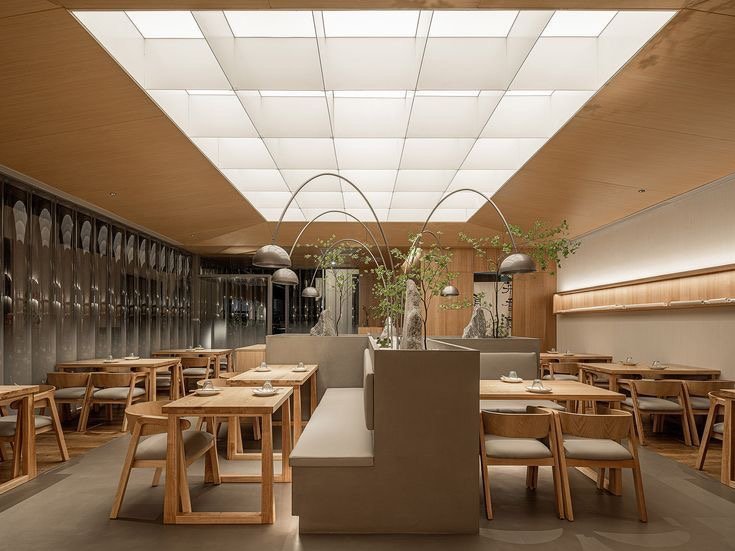
Restaurant Renovation
F&B interior upgrades that lift traffic and reviews in Thailand.
View →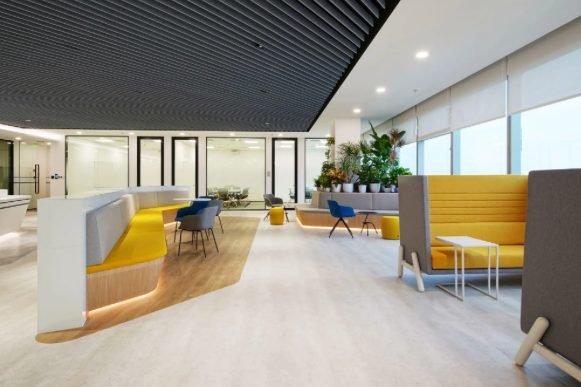
Office Renovation
Workspace improvements that improve productivity and comfort.
View →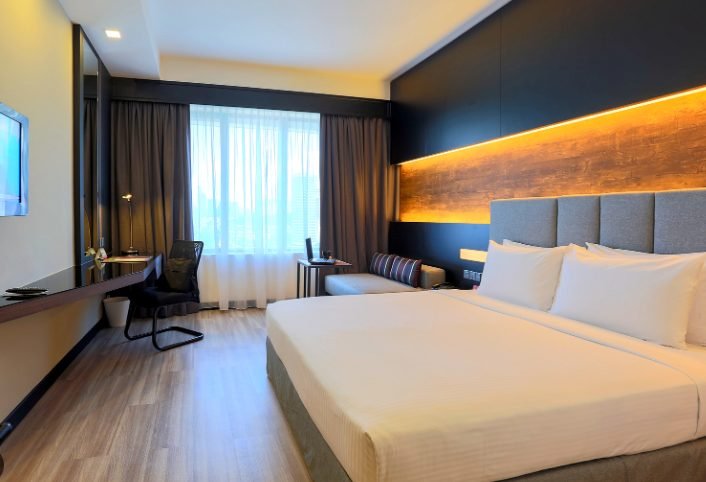
Best Fast-Installation Materials
Dry materials that cut downtime and cost across commercial sectors.
View →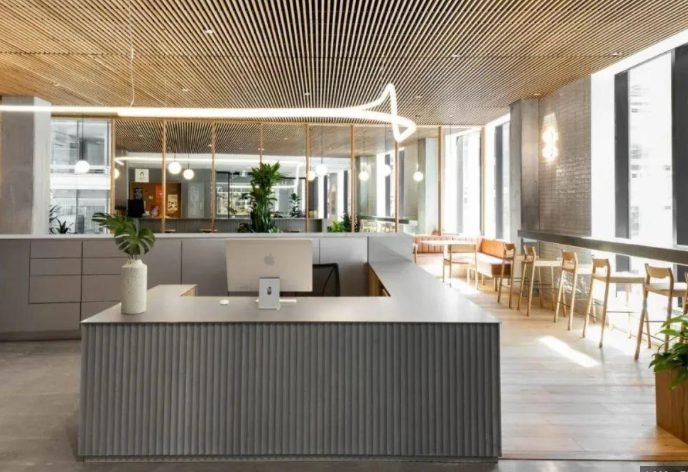
Workspace Productivity Through Design
Office design strategies that improve team performance.
View →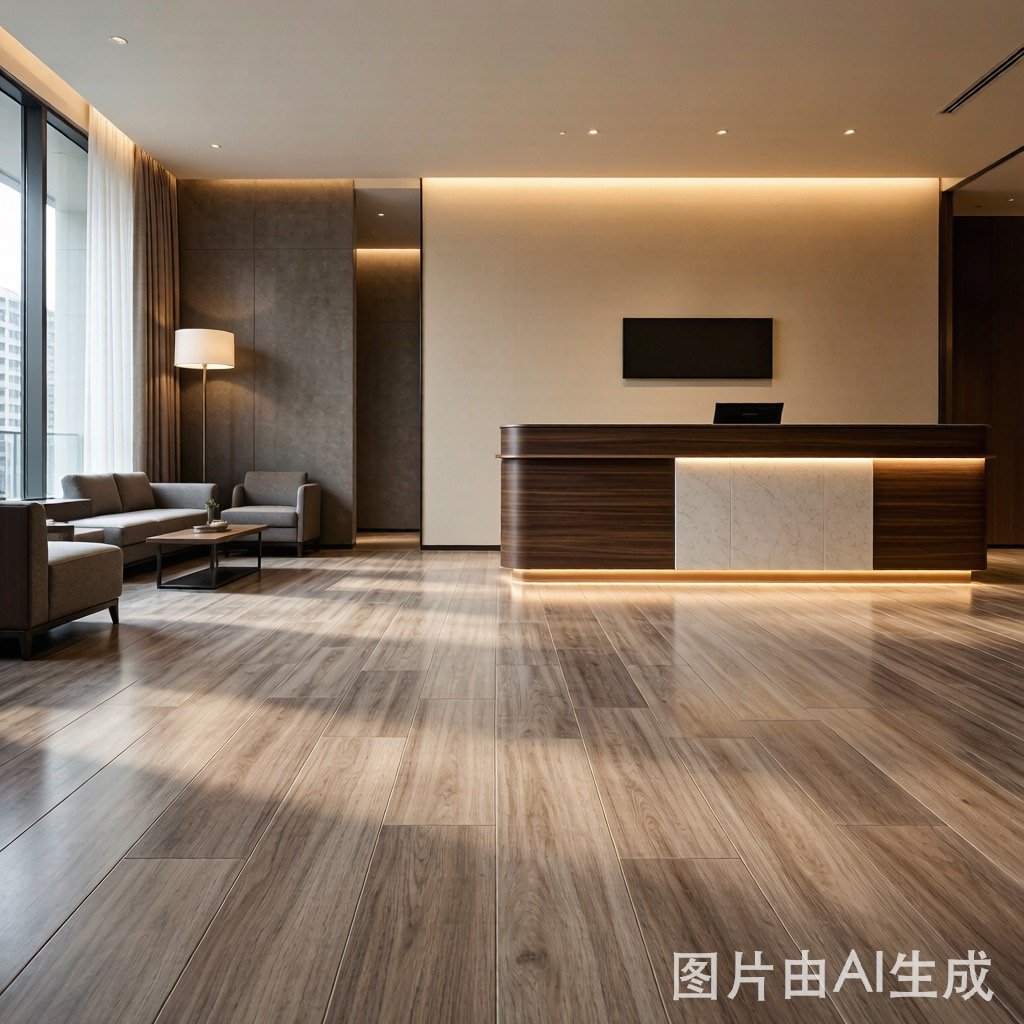
SPC Flooring
Waterproof click-lock flooring for commercial spaces.
View →Planning to Refresh Your Commercial Space?
Whether you're upgrading a hotel, café, restaurant, office or retail space, Jaydon Space helps businesses achieve high-impact improvements with fast-installation materials, practical renovation strategies and efficient sourcing—without unnecessary demolition or excessive costs.
Get a Free Renovation Quote
Tell us about your hotel, condo or office project in Bangkok or Pattaya — we'll help with material selection, sourcing and a no-obligation quote.