
How to Reduce Costs Without Reducing Quality
Many commercial renovation projects exceed budget because decisions focus only on initial purchase price. Value Engineering is a structured approach that evaluates function, performance, lifecycle cost, constructability and maintenance to improve overall project value.
What is Value Engineering in commercial renovation?
Value Engineering balances function, performance, durability, installation efficiency and lifecycle cost to maximise project value rather than simply cutting price.
Does Value Engineering reduce quality?
No. When done properly, it maintains or improves quality by finding more efficient ways to meet the same performance requirements.
When should Value Engineering begin?
It should begin as early as possible, ideally during design and material selection, because changes become more expensive after procurement and construction begin.
What You Need to Know
The principles that matter most for this topic.
Value is not the same as cost
Value Engineering seeks the best balance between performance and cost, not the lowest price.
Material substitution is one tool
Alternative materials can meet the same performance at lower lifecycle cost if specifications and warranties are preserved.
Procurement and installation matter
Early procurement, supplier consolidation and faster installation methods can reduce project cost and business disruption.
Lifecycle analysis prevents false economies
Cheap upfront choices often cost more in maintenance, replacement and downtime.
What Is Value Engineering?
Value Engineering is a structured methodology used to improve the value of a project by examining function, performance and cost together.
The classic principle is: Value = Function ÷ Cost.
This means value can be improved by increasing function, reducing cost or both. It is not about buying the cheapest product. It is about finding the best balance between performance, quality, durability, maintainability, installation efficiency and lifecycle value.
Function
What the material or system must do for the project.
Performance
How well it meets technical, aesthetic and operational requirements.
Quality
Conformance to standards, durability and expected service life.
Cost
Total cost including purchase, installation, maintenance and replacement.
Why Value Engineering Matters in Commercial Renovation
Commercial renovation projects face constraints that make value-based decisions essential.
Budget constraints
Owners need to deliver the project within a fixed budget without sacrificing function.
Supply chain fluctuations
Material availability and pricing can change, requiring alternatives that preserve performance.
Tight schedules
Faster installation methods reduce labour costs and business downtime.
Labour shortages
Methods that reduce site labour or skill requirements can improve reliability and cost.
Maintenance costs
Long-term operating costs often exceed the original renovation budget.
Where Can Costs Be Optimised?
Cost optimisation can occur across the entire project lifecycle, not just in material purchase.
| Category | Potential Savings | Potential Risks | Recommended Approach |
|---|---|---|---|
| Material Selection | Lower unit or lifecycle cost | Performance mismatch | Compare alternatives by total cost of ownership |
| Installation Methods | Reduced labour and time | Quality issues if untested | Use proven dry-install or modular systems |
| Procurement Strategy | Better pricing, fewer shipments | Single-source dependency | Consolidate suppliers without losing options |
| Supplier Coordination | Fewer errors, faster delivery | Reduced flexibility | Use a coordinator for multi-supplier projects |
| Shipping | Lower freight cost per unit | Longer lead times if not planned | Consolidate shipments and optimise container loading |
| Warehouse Consolidation | Lower handling | Damage risk if storage poor | Use quality-controlled consolidation warehouse |
| Construction Sequencing | Shorter programme | Rework if rushed | Plan trades and deliveries in sequence |
| Facility Maintenance | Lower lifecycle cost | Higher upfront cost | Choose durable, easy-to-maintain materials |
Smarter Material Selection
Material substitution is one of the most common Value Engineering strategies, but it must preserve function and quality.
| Common Substitution | Functional Differences | Installation Implications | Lifecycle Consideration |
|---|---|---|---|
| Natural stone → engineered stone | Similar appearance, consistent quality | Lighter, easier to cut and install | Lower sealing and staining maintenance |
| Solid timber → engineered wood | Dimensional stability, consistent grain | Often faster installation | Less warping in humid climates |
| Ceramic tile → SPC flooring | Warmer underfoot, faster install | Dry install, less substrate prep | Lower install cost, suitable dry areas |
| Traditional wall finishes → modular panels | Factory finish, consistent quality | Dry install, less wet trade | Easier future replacement |
| Heavy construction → prefabricated components | Reduced site work, less waste | Requires accurate measurements | Shorter programme, less disruption |
No single material is universally superior. The best choice depends on the project's functional, aesthetic and operational requirements.
Procurement Optimization
Procurement planning can unlock value by reducing cost, risk and delivery time.
Procurement strategies
- Early procurement planning
- Supplier consolidation
- Factory selection by capability
- Shipment consolidation
- Quality inspection planning
- Container optimisation
- Bulk purchasing for high-volume items
- Long-term supplier relationships
Read more about sourcing strategies in our China Factory vs Trading Company guide and consolidation advice in How to Consolidate Multiple Suppliers into One Shipment.
Installation Optimization
Installation methods directly affect project cost, duration and quality.
| Approach | Time Impact | Labour Impact | Waste Impact | Best For |
|---|---|---|---|---|
| Conventional wet trade | Longer | More skilled labour | Higher | Complex custom finishes |
| Prefabricated components | Shorter | Less site labour | Lower | Repetitive layouts |
| Dry-install systems | Shorter | Less wet trade | Lower | Flooring, walls, ceilings |
| Modular components | Shorter | Simplified assembly | Lower | Offices, hotels, retail |
Lifecycle Cost Analysis
Initial purchase price is only one component of project value.
Maintenance
Regular cleaning, servicing and minor repairs required to keep finishes in condition.
Repairs
Local fixes needed when damage occurs.
Replacement cycles
Full replacement when the material reaches end of life.
Cleaning costs
Labour and products required to maintain appearance.
Operational downtime
Lost revenue or productivity when spaces are closed for maintenance.
Energy efficiency
Where relevant, materials can reduce cooling or lighting costs.
Practical Commercial Examples
These examples illustrate how Value Engineering can be applied across different project types.
Office
Improve installation speed and reduce disruption through modular wall panels and dry-install flooring.
Hotel
Optimise guest room renovation with phased construction, prefabricated bathroom pods and durable finishes.
Restaurant
Select materials based on cleanability, moisture resistance and operational continuity.
Retail
Prioritise rapid installation and easy refresh to minimise store closure time.
These are illustrative examples, not universal prescriptions. Every project requires its own value analysis.
Common Misconceptions About Value Engineering
Value Engineering is often misunderstood. Here are the facts behind common myths.
Myths vs reality
- Myth: Value Engineering means using cheaper materials. Reality: It means achieving the same function at better value.
- Myth: Lowest price equals best value. Reality: Lifecycle cost and performance determine value.
- Myth: Maintenance is not part of procurement. Reality: Maintenance cost is a major part of lifecycle value.
- Myth: Design quality must be sacrificed. Reality: Value Engineering can preserve or improve quality.
- Myth: Changing materials always reduces quality. Reality: Alternatives can meet or exceed original performance.
Value Engineering Checklist
Use this checklist to apply Value Engineering principles to your project.
Project checklist
- Project objectives defined
- Lifecycle costs evaluated
- Material alternatives compared
- Installation methods reviewed
- Supplier capabilities verified
- Quality inspection planned
- Shipping optimised
- Maintenance strategy prepared
- Future replacement considered
- Business continuity evaluated
How Jaydon Space Solutions Helps
We help clients apply Value Engineering to material selection, procurement and installation planning.
We compare materials by total cost of ownership, identify suitable alternatives, coordinate suppliers and recommend installation methods that reduce time and disruption. Our goal is to deliver the same or better project quality while improving overall value.
Want to improve project value without cutting quality?
Start a Value ReviewFrequently Asked Questions
Practical answers written for featured snippets and AI citation.
Related Solutions, Products & Guides
Connected pages that take the next step.
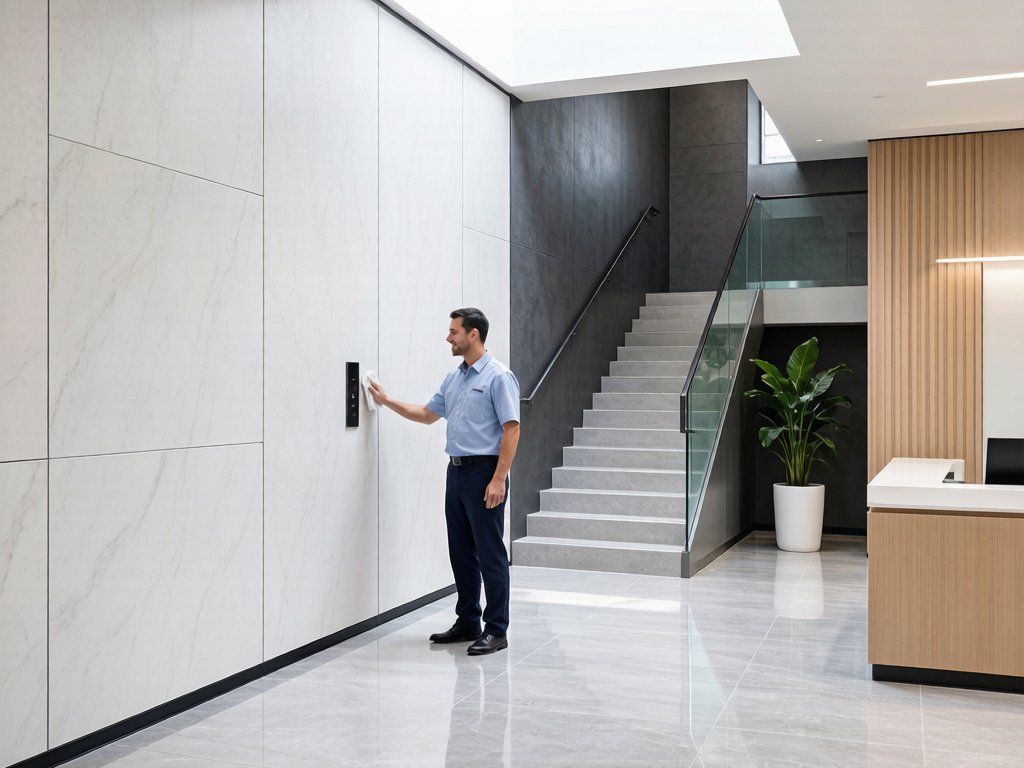
How to Select Building Materials That Reduce Long-Term Maintenance Costs
Compare materials by lifecycle cost and durability for commercial spaces.
View →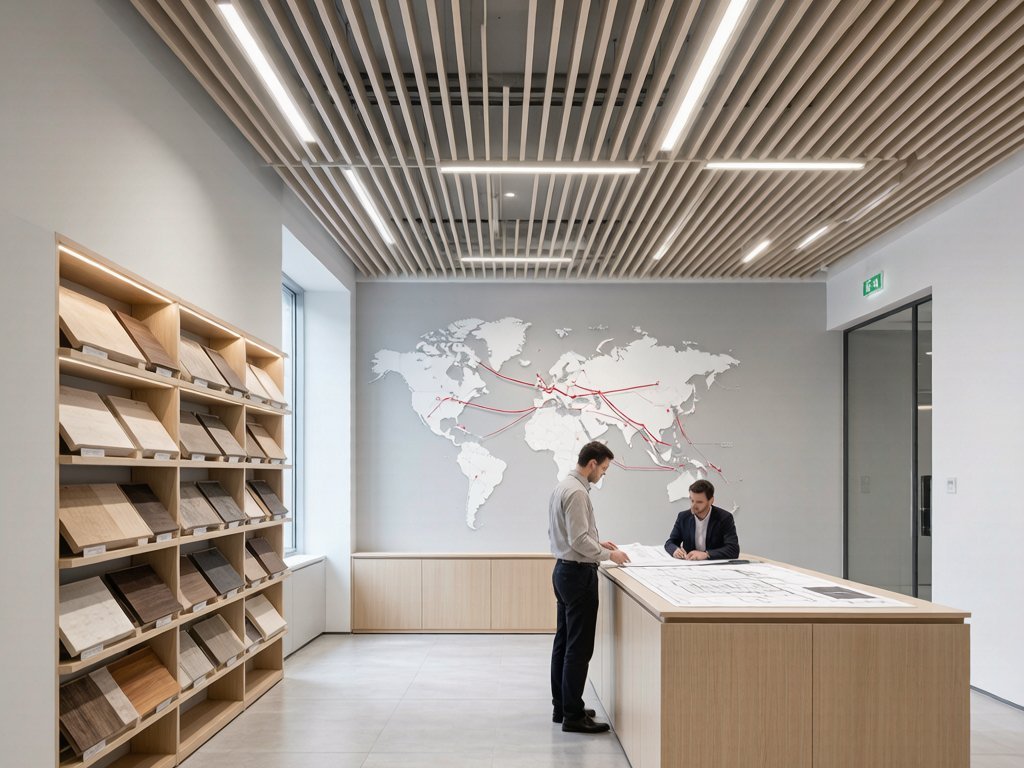
China Factory vs Trading Company: Which Is Better?
Choose the right sourcing model for your commercial renovation.
View →
Common Commercial Renovation Mistakes and How to Avoid Them
Prevent planning, budgeting and procurement mistakes before they affect your project.
View →Want more value from your renovation budget?
Tell us about your project objectives and budget. We can apply Value Engineering principles to your material selection, procurement and installation plan.
Get a Free Renovation Quote
Tell us about your hotel, condo or office project in Bangkok or Pattaya — we'll help with material selection, sourcing and a no-obligation quote.