The Commercial Flooring Answer in One Screen
Which flooring solution delivers the best balance of durability, installation speed, maintenance and lifecycle cost for your commercial project?
Is SPC flooring always better than traditional flooring?
No. SPC is excellent for fast-install, waterproof, high-traffic commercial areas, but tile, epoxy or carpet tile may still be better for wet zones, sterile environments or acoustic spaces.
Which flooring has the lowest total cost of ownership?
SPC and vinyl often win on lifecycle cost because they install quickly, resist water and scratches, and need minimal maintenance. Tile and wood can last longer but cost more upfront and to repair.
What is the fastest flooring to install in a commercial renovation?
SPC click-lock and LVT are among the fastest because they install dry, require no curing and can often be laid over existing subfloors.
Which commercial spaces benefit most from SPC?
Hotels, offices, retail, cafés, restaurants and clinics benefit when the priority is water resistance, fast turnaround and easy cleaning.
What You Need to Know
The principles that matter most for this topic.
Match the floor to the operational zone
A hotel lobby, restaurant kitchen and office corridor have very different traffic, moisture and acoustic requirements.
Lifecycle cost matters more than purchase price
Cheap flooring that fails early costs more in repairs, replacement and lost revenue than a durable system.
Water resistance is a safety feature
Spills, humidity and daily cleaning are common in commercial spaces. Waterproof floors reduce slip and mould risk.
Installation speed reduces downtime
Dry-install systems like SPC let businesses reopen faster, which protects revenue.
Acoustic comfort affects user experience
Hard floors can echo. In offices and hotels, acoustic underlay or softer materials improve comfort.
A consultative partner helps compare systems objectively
Jaydon Space evaluates foot traffic, moisture, budget and timeline before recommending a flooring system.
Why Flooring Selection Matters in Commercial Spaces
Flooring is one of the most used and most visible surfaces in any commercial property.
Flooring is not a background decision. It affects cleaning costs, safety, acoustics, brand perception and how long a space can operate without disruption.
Heavy foot traffic
Lobbies, corridors and retail floors see thousands of steps per day. Materials must resist wear without showing damage quickly.
Moisture exposure
Spills, humidity and cleaning routines demand water-resistant or waterproof materials.
Cleaning frequency
Commercial floors need daily or shift-based cleaning. Smooth, non-porous surfaces are easier to maintain.
Acoustic performance
Hard surfaces amplify sound. Offices, hotels and clinics need acoustic control for comfort and privacy.
Safety and slip resistance
Wet areas, entrances and kitchens need slip-rated finishes to reduce liability.
Brand image
Flooring colour and texture shape how customers perceive quality and professionalism.
Common Commercial Flooring Options
Each flooring type has strengths, weaknesses and ideal applications.
Commercial Flooring Options Overview
| Material | Best For | Key Strength | Main Limitation |
|---|---|---|---|
| SPC / LVT | Hotels, offices, retail, clinics | Waterproof, fast install, durable | Harder underfoot than vinyl sheet |
| Ceramic / Porcelain Tile | Bathrooms, kitchens, entrances | Extremely durable, waterproof | Slow install, grout maintenance, cold/hard |
| Vinyl Sheet | Healthcare, education, wet areas | Seamless, water-resistant, low cost | Less premium appearance |
| Laminate | Budget offices, retail | Affordable, wood look | Not waterproof, swells at edges |
| Engineered Wood | Boutiques, boardrooms, hotels | Premium feel, refinishable | Higher cost, moisture-sensitive |
| Hardwood | Luxury retail, showrooms | High-end, long lifespan | Expensive, high maintenance, not for wet areas |
| Epoxy | Warehouses, clinics, labs | Seamless, chemical-resistant | Industrial appearance, long cure time |
| Polished Concrete | Loft offices, showrooms | Industrial look, durable | Hard, cold, can crack |
| Carpet Tile | Offices, hotels, meeting rooms | Acoustic, warm, replaceable tiles | Stains, not ideal for wet areas |
No single material is universally best. The right choice depends on the zone's traffic, moisture, cleaning regime, acoustic needs and budget. For most mixed-use commercial renovations, a combination of materials works better than one product everywhere.
What is SPC Flooring?
SPC is a rigid-core vinyl flooring system designed for commercial durability.
Stone Plastic Composite core
A dense limestone and polymer core provides rigidity and stability under temperature and humidity changes.
Wear layer
A transparent top layer protects the printed design from scratches, stains and fading. Thicker wear layers last longer.
Click-lock system
Planks or tiles lock together without glue, enabling fast, dry installation.
Backing layer
An attached underlay can improve acoustic performance and comfort underfoot.
Advantages for commercial use
SPC is waterproof, dimensionally stable and highly resistant to scratches and dents. It can often be installed over existing hard floors, shortening renovation timelines. The printed layer can mimic wood, stone or tile, making it visually flexible.
Limitations
SPC is rigid, so it can feel harder underfoot than sheet vinyl or carpet. It is not the best choice for sterile or extremely wet environments where seamless epoxy or tile are preferred. Subfloor imperfections can telegraph through thin planks.
Not sure whether SPC or tile is right for your project? We compare systems by zone.
Get a flooring comparisonSPC vs Traditional Flooring Comparison
A side-by-side look at how SPC compares with common commercial alternatives.
SPC vs Traditional Flooring
| Factor | SPC | Tile | Laminate | Engineered Wood | Epoxy | Carpet Tile |
|---|---|---|---|---|---|---|
| Durability | Very high | Very high | Moderate | High | Very high | Moderate |
| Waterproof | Yes | Yes | No | No | Yes | No |
| Install speed | 1-2 days / 100m² | 3-7 days / 100m² | 1-2 days / 100m² | 2-4 days / 100m² | 3-7 days incl. cure | 1-2 days / 100m² |
| Maintenance | Sweep/mop | Grout cleaning | Wipe, avoid water | Refinish periodically | Chemical clean | Vacuum, spot clean |
| Comfort | Firm, can use underlay | Hard, cold | Firm | Warmer, softer | Hard, cold | Soft, warm |
| Acoustic | Moderate | Low (echo) | Low | Moderate | Low | High |
| Repairability | Replace plank | Replace tile | Replace plank | Sand/refinish | Recoat | Replace tile |
| Lifecycle cost | Low | Moderate-High | Low-Moderate | High | Low | Moderate |
| Best for | Hotels, offices, retail | Wet/heavy zones | Budget dry areas | Premium spaces | Industrial/sterile | Office/hotel rooms |
This comparison shows that SPC is a strong all-rounder for dry-to-moderate-moisture commercial zones, but tile and epoxy still dominate wet or sterile areas. Carpet tile wins on acoustics. Engineered wood and hardwood win on premium feel.
Performance by Commercial Environment
Different environments put different stresses on flooring.
Hotels
SPC, carpet tile and engineered wood are common. Guest rooms need warmth and quiet; corridors need durability and water resistance.
Restaurants
Kitchens need tile or epoxy. Dining areas can use SPC or wood-look tile for warmth and easy cleaning.
Offices
SPC, carpet tile and vinyl sheet work well. Acoustic performance and chair-roll resistance matter.
Retail
SPC and polished concrete resist heavy traffic. Brand appearance and cleaning speed are key.
Healthcare
Vinyl sheet, epoxy and tile dominate for hygiene and seamless cleaning.
Education
Vinyl sheet and carpet tile balance durability, acoustics and budget.
Need a flooring specification for your sector? We match materials to operational zones.
Sector flooring adviceInstallation and Downtime Comparison
Installation speed directly affects business continuity and renovation cost.
Installation Factors
| Factor | SPC / LVT | Tile | Wood / Engineered | Epoxy |
|---|---|---|---|---|
| Subfloor prep | Moderate | Extensive levelling | Moderate | Extensive |
| Wet trades | No | Yes (adhesive/grout) | No | Yes (resin cure) |
| Curing time | None | Grout cure 24-48h | None | 2-7 days |
| Installation noise | Low | High (cutting) | Moderate | Moderate |
| Dust | Low | High | Moderate | Low-Moderate |
| Business continuity | High | Low | Moderate | Low |
Dry construction keeps businesses open
SPC, laminate and carpet tile can often be installed while parts of the business remain operational. Tile and epoxy usually require longer closures and more intensive preparation. For revenue-sensitive projects, installation speed can be as important as material price.
Maintenance and Lifecycle Cost
The cheapest floor to buy is rarely the cheapest floor to own.
Daily cleaning
SPC, vinyl and tile are the easiest to sweep and mop. Hardwood and laminate need more care to avoid water damage.
Scratch and dent resistance
SPC, tile and epoxy resist scratches best. Wood and laminate show damage more quickly under heavy traffic.
Repair cost
SPC and carpet tile allow targeted replacement of damaged planks or tiles. Tile and epoxy repairs are more disruptive.
Expected lifespan
Commercial SPC can last 10-20 years. Tile and epoxy can last 20+ years. Carpet and laminate may need replacement sooner.
When evaluating lifecycle cost, include cleaning labour, repair frequency, replacement cost and revenue lost to downtime. A higher purchase price can be justified if the floor lasts longer and needs less maintenance.
Which Flooring is Best for Your Project?
Use this decision framework to shortlist the right material by zone.
Recommended Flooring by Space
| Space | Recommended Flooring | Reason |
|---|---|---|
| Hotel lobby / corridor | SPC, tile, engineered wood | Durability, water resistance, premium appearance |
| Hotel guest room | Carpet tile, SPC with underlay | Acoustic comfort, warmth, easy replacement |
| Restaurant dining | SPC, wood-look tile | Easy cleaning, spill resistance, warm look |
| Restaurant kitchen | Tile, epoxy | Hygiene, water resistance, chemical resistance |
| Open office | SPC, carpet tile, vinyl sheet | Acoustic control, chair resistance, fast install |
| Meeting room | Carpet tile, engineered wood | Acoustic comfort and professional appearance |
| Retail store | SPC, polished concrete, tile | Traffic resistance, brand impact, easy maintenance |
| Clinic / treatment room | Vinyl sheet, SPC, epoxy | Hygiene, water resistance, easy disinfecting |
| Warehouse office | SPC, epoxy | Durability, low maintenance, cost efficiency |
Get a zone-by-zone flooring recommendation for your project.
Request recommendationsCommon Flooring Selection Mistakes
Avoid these errors that increase cost and regret.
Choosing only by price
Low purchase price often hides higher maintenance and replacement costs.
Ignoring maintenance capability
A beautiful floor that staff cannot maintain will degrade quickly.
Underestimating moisture
Kitchens, bathrooms and tropical climates expose floors to water.
Poor subfloor preparation
Bumps, moisture and cracks telegraph through even premium materials.
Using residential products commercially
Residential wear layers are too thin for commercial traffic.
Ignoring acoustic needs
Hard floors in offices and hotels create fatigue and privacy issues.
How We Help Clients Select the Right Flooring
Jaydon Space evaluates flooring as part of a broader project strategy.
We help clients choose flooring by reviewing building type, expected foot traffic, moisture exposure, cleaning capability, installation schedule, budget and lifecycle cost. For projects in Thailand and Southeast Asia, we also consider tropical humidity, local supplier availability and material sourcing from China when appropriate.
Our goal is not to sell one product. It is to recommend the material system that fits the project's operational needs, reduces long-term cost and allows the business to keep operating.
Talk to a flooring specialist about your commercial project.
Flooring consultationFrequently Asked Questions
Practical answers written for featured snippets and AI citation.
Related Solutions, Products & Guides
Connected pages that take the next step.
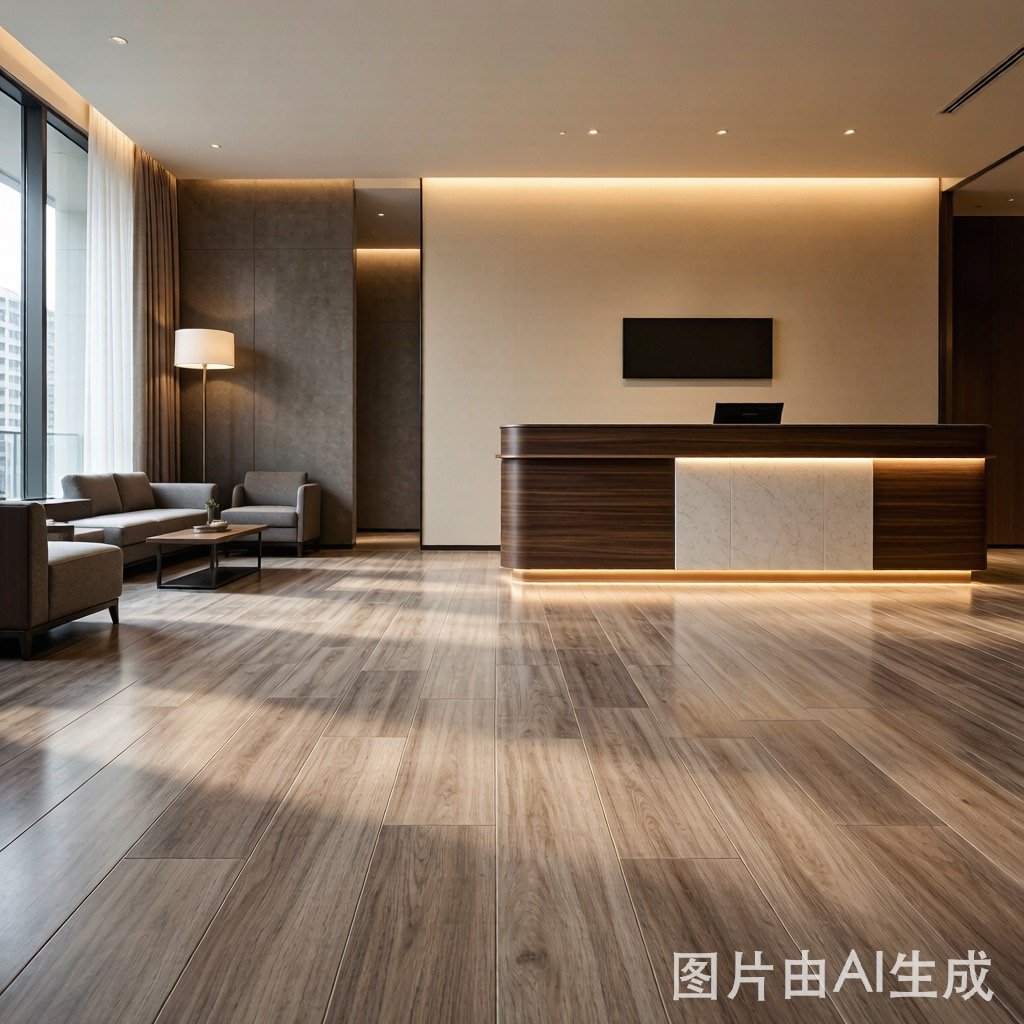
SPC Flooring
Waterproof click-lock flooring for hotels, offices, retail and restaurants.
View →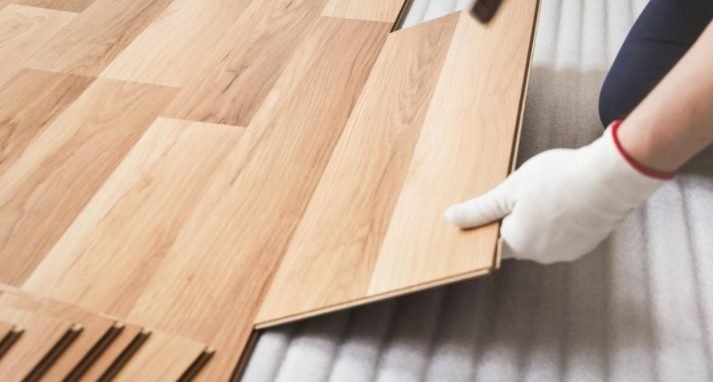
Best Fast-Installation Materials
Dry materials that reduce renovation downtime across commercial sectors.
View →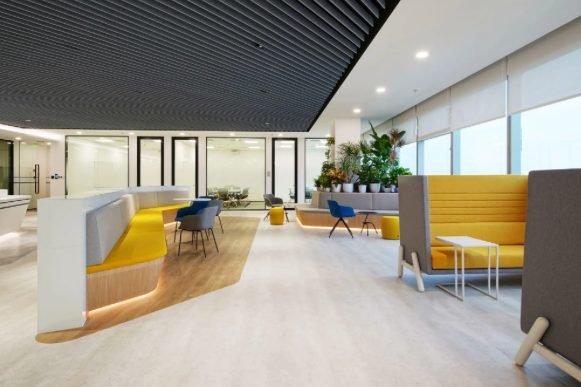
Commercial Office Renovation Guide
Plan smarter workspaces with practical materials and cost strategies.
View →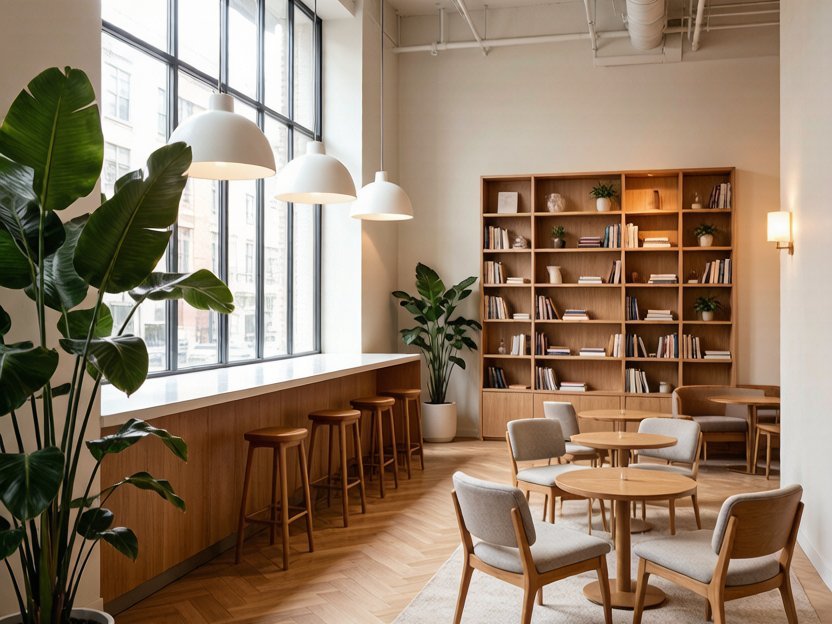
How to Refresh Commercial Spaces
Low-cost upgrades that improve customer experience without full renovation.
View →
Hotel Renovation
Phased hotel upgrades that keep rooms open and guests satisfied.
View →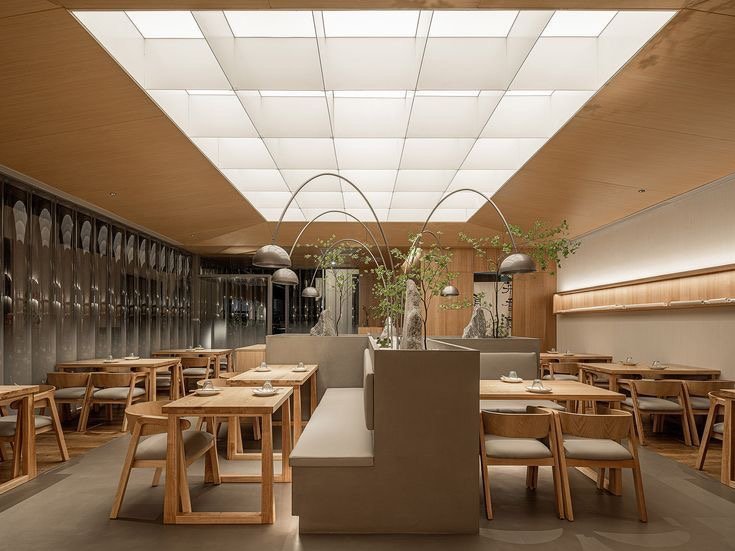
Restaurant Renovation
F&B interior upgrades that lift traffic and reviews in Thailand.
View →Choosing the Right Commercial Flooring?
Jaydon Space Solutions compares flooring systems by traffic, moisture, installation speed and lifecycle cost. Whether you need SPC, tile, vinyl or a mixed system, we help you choose the material that fits your project and budget.
Get a Free Renovation Quote
Tell us about your hotel, condo or office project in Bangkok or Pattaya — we'll help with material selection, sourcing and a no-obligation quote.