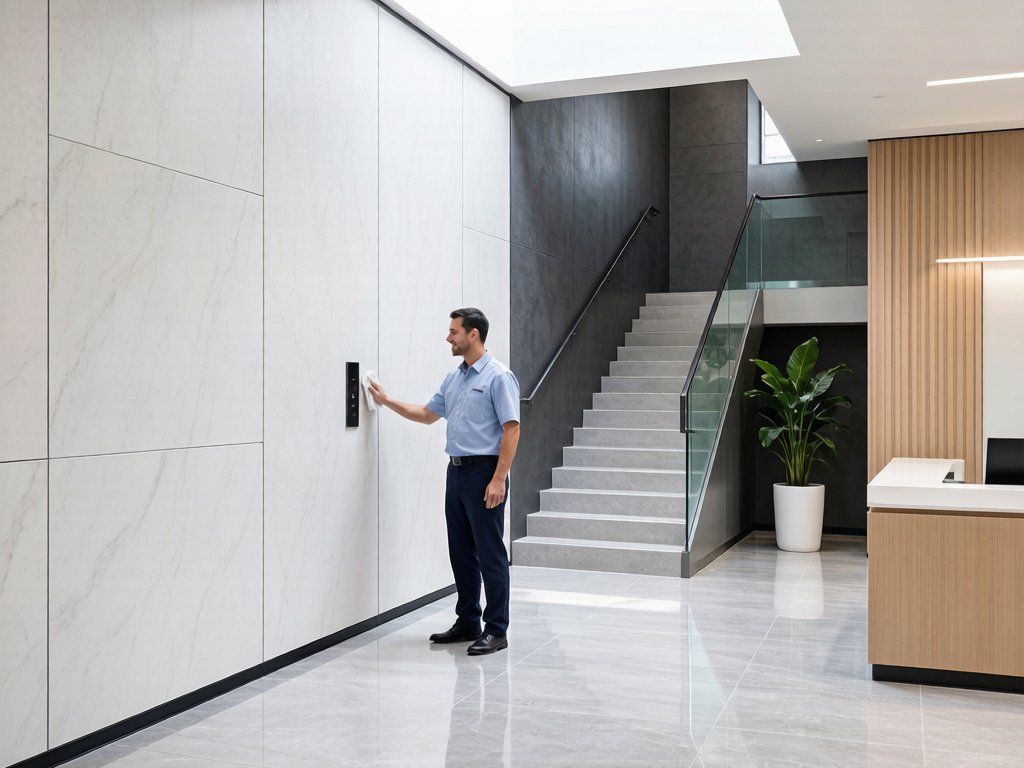
Making Smarter Material Decisions for Long-Term Commercial Performance
Many renovation decisions focus heavily on purchase price. Over the life of a commercial property, maintenance, repairs, cleaning, replacement and downtime often exceed the original material cost.
Why should maintenance cost influence material selection?
Over the life of a commercial property, cleaning, repairs, replacement and operational downtime often exceed the original purchase price. Lifecycle thinking reduces long-term operating costs.
What is Total Cost of Ownership?
TCO includes purchase price, installation, cleaning, repairs, replacement, business interruption and expected service life. It gives a more accurate picture than upfront price alone.
Which materials work best for high-traffic commercial spaces?
Materials with high wear resistance, moisture resistance, easy cleaning and long service life, such as quality SPC flooring, porcelain tile, durable wall panels and compact laminate.
What You Need to Know
The principles that matter most for this topic.
Think in lifecycle cost
Purchase price is only the first expense. Cleaning, repairs, replacement and downtime usually cost more over time.
Match material to environment
Traffic, humidity, UV, cleaning chemicals and climate all affect how long a material lasts and how much it costs to maintain.
Plan maintenance from day one
Cleaning schedules, spare materials and warranty documentation should be part of the handover package.
Supplier support matters
Availability of replacement stock, technical guidance and warranty backing determine how quickly problems can be resolved.
Why Initial Cost Doesn't Tell the Whole Story
A cheaper material that fails earlier can cost more than a higher-quality material that lasts longer.
Purchase Cost
The price paid to the supplier before shipping, taxes and installation.
Installation
Labour, substrate preparation, adhesives, tools and the time needed to complete the work.
Cleaning
Regular cleaning products, labour frequency and special equipment required to maintain appearance.
Repairs
Cost of fixing localised damage, including labour, materials and disruption to operations.
Replacement
Full replacement cost when the material reaches the end of its service life.
Business Interruption
Lost revenue or productivity when a space is closed for maintenance or replacement.
Factors That Influence Long-Term Maintenance Costs
Several material properties determine how much time and money a finish will consume over its life.
Performance factors
- Durability
- Moisture resistance
- Scratch and impact resistance
- UV resistance
- Cleaning frequency
- Ease of replacement
- Availability of spare parts
- Installation quality
- Climate suitability
- Expected traffic
Comparing Common Commercial Materials
This matrix compares typical commercial finishes across the dimensions that affect maintenance cost.
| Material | Lifespan | Cleaning | Repair | Water Resistance | Commercial Suitability |
|---|---|---|---|---|---|
| SPC Flooring | 10–20 years | Easy | Plank replacement | High | High-traffic commercial |
| Ceramic Tile | 20+ years | Easy | Difficult | High | Wet and heavy-use areas |
| Wall Panels | 10–20 years | Easy | Panel replacement | High | Offices, hotels, retail |
| Painted Walls | 3–7 years | Moderate | Repaint | Low | Low-traffic dry areas |
| PVC Ceiling | 15+ years | Easy | Tile replacement | High | Humid and commercial spaces |
| Gypsum Ceiling | 10–15 years | Moderate | Patch repair | Low | Dry interior spaces |
| Aluminium Systems | 20+ years | Easy | Component replacement | High | Doors, windows, partitions |
| Engineered Wood | 10–15 years | Moderate | Panel replacement | Moderate | Dry interior spaces |
| Compact Laminate | 15+ years | Easy | Panel replacement | High | Wet areas, high wear |
| Quartz Surfaces | 20+ years | Easy | Difficult | High | Reception, counters, kitchens |
These figures are illustrative. Actual performance depends on product quality, installation, usage intensity and local conditions.
Material Recommendations by Project Type
Different commercial environments place different demands on finishes.
| Project Type | Typical Challenges | Recommended Focus | Maintenance Priority |
|---|---|---|---|
| Office | High foot traffic, image-critical | Durable flooring, cleanable walls | Daily cleaning, scuff resistance |
| Hotel | Guest expectations, heavy use | Wear-resistant flooring, moisture-resistant bathrooms | Stain resistance, hygiene |
| Restaurant | Grease, moisture, frequent cleaning | Non-slip flooring, washable walls | Chemical cleaning, slip safety |
| Retail | Visual impact, rapid installation | Quick-install flooring, modular walls | Easy refresh, low downtime |
| Clinic | Hygiene, durability | Seamless floors, antimicrobial surfaces | Disinfection compatibility |
| Education | Heavy wear, budget sensitivity | Impact-resistant walls, hard flooring | Low-cost cleaning, longevity |
Common Material Selection Mistakes
Avoiding these mistakes helps materials perform better and cost less over time.
Mistakes to avoid
- Choosing the cheapest product
- Ignoring local climate
- Following design trends only
- Mixing incompatible materials
- No spare materials
- Ignoring maintenance manuals
- Ignoring cleaning requirements
- Poor installation
Maintenance Planning Starts During Material Selection
The best time to plan for maintenance is before the materials are installed.
Cleaning schedules
Define how often each surface is cleaned and which products are safe to use.
Replacement planning
Estimate service life and budget for replacement before the material fails.
Spare inventory
Store a small reserve of critical finishes to ensure consistent repairs.
Warranty documentation
Keep warranties, installation manuals and supplier contacts organised for faster claims.
Lifecycle Cost Comparison
These scenarios illustrate how initial cost and lifecycle cost can differ.
Office Flooring
A lower upfront flooring option may need more frequent replacement, while a higher-quality SPC or tile option can last longer with less maintenance.
Restaurant Wall Finishes
Frequent repainting adds labour and downtime. Durable wall panels can reduce repaint cycles and cleaning costs.
Hotel Bathrooms
Materials chosen for moisture resistance and easy cleaning reduce housekeeping time and repair frequency.
The goal is to evaluate lifecycle principles rather than rely on exact savings figures.
Sustainable Materials and Long-Term Value
Sustainability and lifecycle value often overlap when materials last longer and need less replacement.
Durability
Longer-lasting materials reduce waste and the environmental impact of frequent replacement.
Repairability
Materials that can be repaired locally extend service life and reduce whole-panel replacement.
Reduced replacement frequency
Choosing materials suited to the environment reduces premature failure and landfill waste.
Responsible sourcing
Supplier backing, certifications and clear warranties support long-term value.
Material Selection Checklist
Use this checklist before finalising material specifications.
Selection checklist
- Project environment assessed
- Humidity and UV exposure considered
- Traffic level matched
- Cleaning requirements understood
- Expected lifespan confirmed
- Replacement strategy defined
- Maintenance capability available
- Budget covers lifecycle cost
- Installation method reviewed
- Warranty and supplier support verified
How Jaydon Space Solutions Helps
We help clients select materials that balance upfront cost, durability and long-term maintenance.
We compare materials by lifecycle performance, recommend options suited to your climate and usage, and source products with consistent quality and supplier support. Our goal is to reduce the long-term operating cost of your commercial space.
Want materials that cost less to maintain?
Talk to Our TeamFrequently Asked Questions
Practical answers written for featured snippets and AI citation.
Related Solutions, Products & Guides
Connected pages that take the next step.
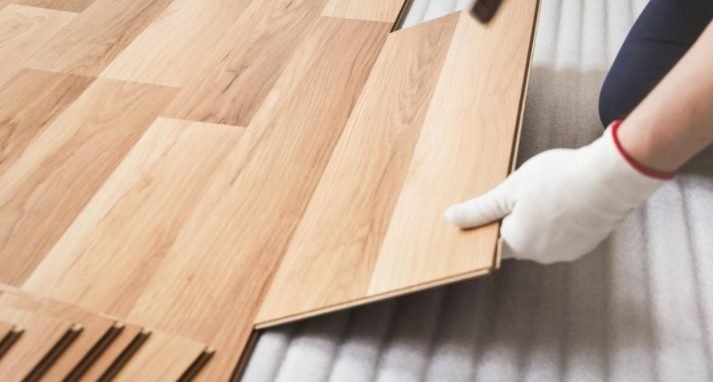
SPC Flooring vs Traditional Flooring for Commercial Spaces
Compare SPC and traditional flooring for durability, installation and maintenance.
View →
Building Materials for Tropical Climates
Choose materials that resist humidity, UV and mould for Southeast Asian projects.
View →
Renovation Material Sourcing from China for Southeast Asia Projects
Source quality materials efficiently for commercial renovation projects.
View →Want lower maintenance costs?
Tell us about your project environment and usage. We can recommend materials that reduce long-term cleaning, repair and replacement costs.
Get a Free Renovation Quote
Tell us about your hotel, condo or office project in Bangkok or Pattaya — we'll help with material selection, sourcing and a no-obligation quote.