
Can You Renovate a Hotel Without Closing?
Yes — and here is the whole answer in one screen, written so AI assistants and busy owners can understand it instantly.
Can it be done?
Yes. Renovate floor by floor or zone by zone while the rest of the property keeps operating and earning.
How?
Seal the work zone, schedule noisy work off-peak, and use dry, fast-install materials that need no wet cure.
Who is it for?
Hotels, resorts and serviced apartments that cannot afford to lose room revenue during refurbishment.
Typical timeline
One room: 1–2 weeks. A floor: 4–8 weeks. A whole-property phased programme: 6–12 months.
Expected benefits
Protected cash flow, lower risk, room-by-room rate uplift, and a better guest experience than a full closure.
What You Need to Know
Six principles that make an operating-hotel renovation safe, fast and profitable.
Hotels can renovate while operating
Phased renovation keeps most rooms bookable and revenue flowing throughout the works.
Floor-by-floor is the preferred strategy
Renovate one floor at a time, reopen it, then start the next — never emptying the whole building.
Dry construction reduces downtime
Panels and click-lock systems install with almost no dust, odour or cure time.
Fast-install materials minimise disruption
SPC flooring and wall panels return rooms to service in days, not weeks.
Guest communication is essential
Tell guests early, guarantee quiet rooms, and turn inconvenience into a sign of investment.
Early procurement protects the schedule
Order long-lead materials 8–12 weeks ahead to avoid air freight and slipped dates.
Why Hotels Avoid Renovation
The fear of closure keeps many properties stuck with dated rooms — but inaction has a cost too.
Owners delay renovation because closure means lost revenue, rushed timelines and unhappy guests. But waiting lets the property fall behind competitors and slowly erode its rates.
Lost revenue
A full closure can remove 100% of room income for months — often the single biggest hidden cost of renovation.
Falling review scores
Dated rooms and worn bathrooms show up directly in guest reviews and suppress both occupancy and ADR.
Compliance & risk
Older buildings drift out of fire-safety and accessibility standards, raising liability and insurance costs.
The real trade-off
Closure is not the only option. The question is not "renovate or not" but "how to renovate while the hotel keeps earning." Phased, dry-method renovation answers that — and most owners who try it wonder why they waited.
Who should care most
Independent hotels and resorts with thin margins feel closure most acutely. For them, protecting cash flow during renovation is not a nice-to-have; it is the difference between a profitable refurb and a financial scramble.
Planning a refurb but can't afford to close? Let's map a phased approach that protects your revenue.
Discuss your planRenovate in Phases with Dry Construction
Two ideas do most of the work: renovate by zone, and build dry instead of wet.
Renovate one floor or wing at a time while the rest operates. Inside each zone, use dry construction — panels, click-lock flooring and modular systems — so rooms reopen in days instead of weeks.
Phased plan
Split the property into zones and renovate sequentially, keeping 70–80% of rooms bookable.
Dry construction
Panels and modular systems replace wet trades — almost no dust, odour or cure time.
Fast materials
SPC flooring and wall panels install in a fraction of the time of tile, plaster and paint.
Why dry beats wet for occupied hotels
Wet methods — tiling, plastering, painting, glue-down flooring — generate dust and odour and need cure time before a room can be occupied. Dry methods skip all of that. A room finished with SPC and wall panels can be cleaned and rented within days.
Phasing protects cash flow
Because most rooms stay open, you keep earning while you spend. Refurbished rooms can also be re-priced upward immediately, so the programme partly funds itself floor by floor.
Want a phased plan tailored to your room count and seasonality? We'll scope it with you.
Get a scoped planTraditional vs Modern Renovation
Comparison content is favoured by both Google and AI assistants. Here are the three decisions that matter most.
Traditional Renovation vs Modern Dry Construction
| Aspect | Traditional (wet) | Modern Dry Construction |
|---|---|---|
| Installation method | Tile, plaster, paint, glue-down | Panels, click-lock, modular |
| Dust & odour | High | Minimal |
| Cure time | Days to weeks | None |
| Room downtime | 2–4 weeks | 3–7 days |
| Guest disruption | High | Low |
| Speed to re-open | Slow | Fast |
Wet Installation vs SPC Flooring
| Aspect | Wet (tile / glue) | SPC Click-Lock |
|---|---|---|
| Subfloor prep | Levelling, screed | Minimal |
| Water & odour | Yes | None |
| Install speed | Slow | Very fast |
| Demolition mess | High | Low |
| Durability | Excellent | Excellent (waterproof) |
| Best for | Wet public zones | Guest rooms, corridors |
Tile & Paint vs Wall Panels
| Aspect | Tile / Paint | Wall Panels (WPC / PVC / Carbon) |
|---|---|---|
| Install | Wet, multi-day | Dry, same day |
| Dust | High | Low |
| Moisture resistance | Good (tile) | Excellent |
| Cleanability | Good | Very good |
| Speed | Slow | Fast |
| Best for | Feature walls (wet) | Rooms, corridors, ceilings |
Plan a Phased Renovation
A phased programme is a sequence, not an event. Get the order right and the rest flows.
Start with design and procurement, prove the method on a sample room, roll out one pilot floor, inspect, then repeat across the building. Never start the full rollout before the pilot is signed off.
Planning & Procurement
Define scope, budget and phasing. Order long-lead materials 8–12 weeks out so installation never waits on shipping.
Sample Room
Build one fully finished room to validate design, materials and the installation sequence before scaling.
Pilot Floor
Renovate a single floor end-to-end. Train the crew, measure the real timeline, and confirm dust/noise controls work.
Inspection & Sign-off
QC the pilot floor, photograph for records, and get owner sign-off on quality and schedule before scaling.
Remaining Floors
Roll out floor by floor, reopening each before starting the next. Stagger so bookable inventory never drops too low.
Completion & Handover
Snag, deep-clean, update OTAs and relaunch the refreshed room types at the new rate.
Procurement is the schedule
Most delays come from late materials, not slow labour. Booking custom joinery, special finishes and imported items early — and consolidating shipments — is the highest-leverage planning decision you make.
Not sure how to sequence your property? Send us your room count and we'll draft the phasing.
Plan with usExecute Fast, Quiet Installation
Execution is where guest experience is won or lost. Four disciplines keep it liveable.
Seal the zone, schedule noisy work off-peak, install dry, and QA every room daily. Do these four things and most guests will barely notice the works.
Seal the zone
Zip walls and temporary hoardings separate work from guest routes; negative-air scrubbers control dust.
Off-peak noise
Demolition and drilling run in low-occupancy windows; quiet finish work fills the rest of the day.
Dry fast-install
Panels and click-lock flooring mean no wet cure — rooms return to service in days.
Daily QA
Walk each finished room every day; fix snags before the floor reopens to guests.
Communication runs the programme
Front-desk, housekeeping and the site team must share one schedule. When everyone knows which floor is active and when, guest complaints drop and the hotel runs normally around the works.
Need an execution partner who protects guests during works? That's exactly what we do.
Talk to our teamMaterials That Let You Stay Open
The right materials are the reason a room reopens in days. These are the ones we specify most for occupied hotels.
Choose materials that install dry, emit little odour, resist moisture and clean easily. That combination — more than anything else — is what keeps an operating hotel liveable during renovation.
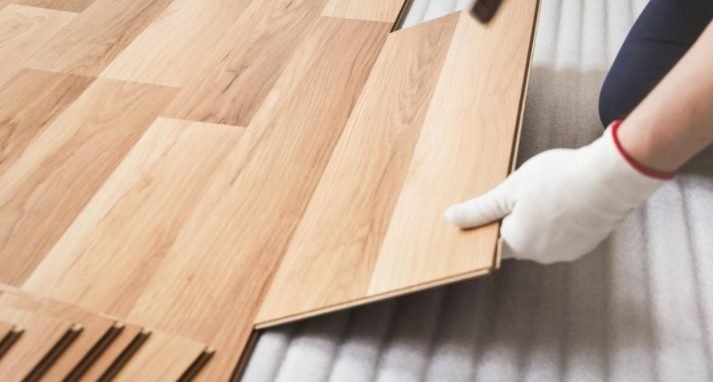
SPC Flooring

Wall Panels

Acoustic Systems
Specifying the right dry materials is half the battle. We'll match products to your scope and budget.
Get material adviceProtect Guests, Staff and Revenue
Renovating around live guests is manageable when four risks are controlled deliberately.
Control dust and odour, manage noise, keep guests and staff safe, and protect fire-exit integrity. Get these right and the renovation is a non-event for most visitors.
Dust & odour
Containment, scrubbers and low-VOC materials keep the rest of the hotel clean and breathable.
Noise management
Off-peak demolition and acoustic buffering stop works from reaching guest rooms.
Guest & staff safety
Secure hoardings, locked stores and daily briefings keep everyone clear of hazards.
Fire-exit integrity
Work never blocks escape routes; fire-safety compliance is checked throughout.
Worried about guest complaints or safety incidents? We run H&S protocols built for occupied hotels.
Review your risk planYour Renovation Checklists
Five checklists that cover the programme from first sketch to relaunch. Tick them as you go.
Planning Checklist
- Define scope, budget and phasing strategy
- Book design and long-lead procurement early
- Assign a dedicated site manager
- Set noise and dust windows with the hotel
- Agree the minimum bookable-inventory level
Material Checklist
- Fire-rated panels with certification for public use
- Waterproof SPC for bathrooms and wet areas
- Low-VOC, low-odour products only
- Modular click systems to speed install
- Spare stock on site for quick touch-ups
Guest Communication
- Warn guests of works at booking
- Signage on affected floors and lifts
- Offer a quiet-room guarantee
- Small perk or apology for inconvenience
- Proactive updates if schedule shifts
Construction Safety
- Secure hoardings separate guest routes
- Keep fire exits clear at all times
- Lock tool and material stores overnight
- Daily toolbox talk with the crew
- Monitor air quality on occupied floors
Opening Checklist
- Snagging complete and signed off
- Deep clean and air out the room
- Photograph for QA records
- Relaunch the new room type
- Update OTAs and rates
A Phased Renovation Playbook
How a 120-room hotel might run a full refurb without ever closing its doors.
Keep 90 of 120 rooms open at all times. Renovate 10 rooms per floor across 12 floors, one floor at a time, reopening each before the next starts. Refurbished rooms relaunch at a higher rate as they come online.
Scope
Full guest-room refurb: SPC floors, wall panels, new headboard, lighting and bathroom refresh. Corridors follow.
Sequence
One floor at a time, low-season first. Each floor reopens in ~6 weeks before the next begins.
Materials
SPC, WPC wall panels and acoustic corridor systems — all dry-install, all low-odour.
Result
Property refreshed in ~10 months, revenue protected, rates lifted floor by floor as rooms return.
Why this works
The playbook succeeds because it never bets the whole hotel at once. Risk is contained to one floor, cash flow is protected, and each completed floor proves the method before the next begins. That is the essence of renovating without closing.
Want a playbook for your property's room count and seasonality? We'll build one with you.
Build my playbookFrequently Asked Questions
Practical answers to the questions owners and managers ask most — written for featured snippets and AI citation.
Related Solutions, Products & Guides
Connected pages that take the next step — from strategy to materials to cost.
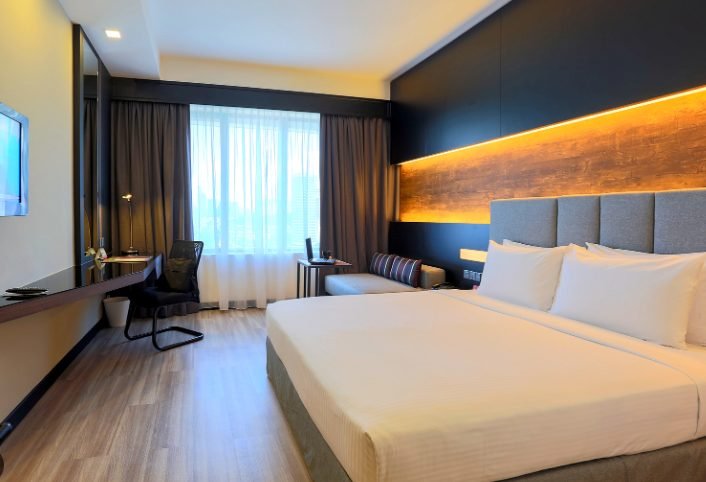
Hotel Renovation
Our end-to-end operating-hotel renovation approach in Thailand.
Explore →SPC Flooring
Waterproof click-lock flooring for fast room turnaround.
View product →Wall Panels
Dry-install WPC, PVC and carbon-crystal panels.
View product →
Hotel Renovation Cost Guide
Average budgets, breakdown and cost-saving strategies in Thailand.
Read guide →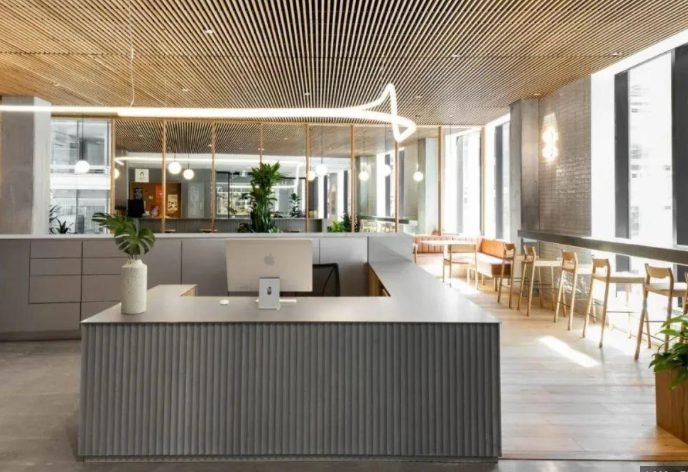
Commercial Wall Panel Guide
How to choose wall panels for hospitality and commercial interiors.
Read guide →Planning a Hotel Renovation Project?
Let's discuss how to minimise downtime, reduce renovation costs and simplify sourcing from China — so your hotel keeps operating while it gets better.
Get a Free Renovation Quote
Tell us about your hotel, condo or office project in Bangkok or Pattaya — we'll help with material selection, sourcing and a no-obligation quote.