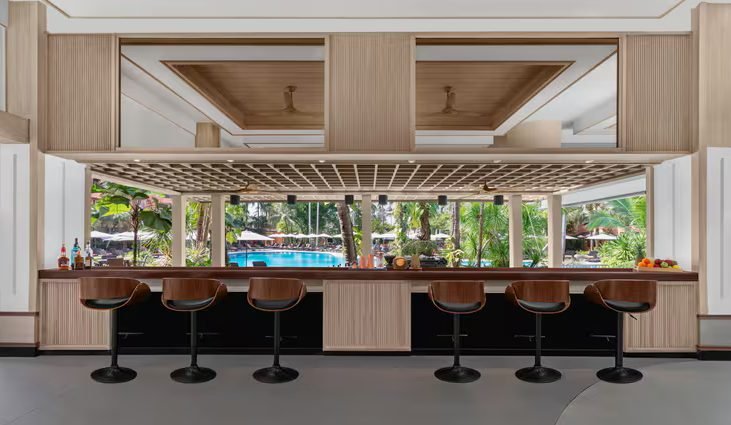
Why Hotel Renovation Matters
A hotel is a depreciating asset the moment it opens. Guest expectations move fast, and a property that looked premium five years ago can quietly fall behind. Renovation is not cosmetic vanity — it is asset management.
Industry practice is well established: most hotels undertake a full renovation every 7–10 years, with a soft-goods or partial refresh every 3–5 years (new textiles, lighting, décor, paint). This cadence keeps the product competitive without the cost and disruption of a complete rebuild.
Renovation directly influences the commercial performance of the property:
- ADR (Average Daily Rate) — refreshed rooms and public areas justify higher rates.
- Occupancy — modern, well-maintained properties convert more looking guests into bookings.
- Guest Reviews — review scores track closely with room condition, bathroom quality and cleanliness.
- Operating Efficiency — new lighting, insulation and MEP reduce energy and maintenance cost.
Full renovation cycle
Standard industry interval before a property needs a comprehensive upgrade to stay competitive.
Soft-goods refresh
Partial refresh cadence for textiles, lighting and décor to protect review scores between full renovations.
Energy saving potential
Typical reduction in hotel energy consumption from LED, smart HVAC and better insulation (IEA / DOE benchmarks).
Figures above reflect widely cited industry benchmarks (HVS, AHLA, IEA, US DOE). Actual results vary by property, market and scope. They are provided as planning references, not quotations.
Average Hotel Renovation Cost in Thailand
Costs vary widely by scope, material grade and city. The ranges below are typical planning estimates for commercial renovation work in Thailand, expressed per square metre of renovated area.
| Renovation Type | Estimated Cost (THB / sqm) |
|---|---|
| Cosmetic Upgrade | 3,000 – 6,000 |
| Guest Room Renovation | 8,000 – 15,000 |
| Restaurant Upgrade | 10,000 – 20,000 |
| Lobby Upgrade | 12,000 – 25,000 |
| Complete Hotel Renovation | 15,000 – 35,000 |
Why costs differ by city
Thailand is not one market. Labour rates, logistics and material availability shift noticeably between destinations, so the same spec can land at very different price points:
Bangkok
Highest labour and project-management rates; efficient logistics. Premium end of the typical range.
Phuket
Resort-grade specs and island logistics push material delivery and site costs up.
Pattaya
Mid-range market; competitive labour, moderate logistics complexity.
Chiang Mai
Generally lower labour cost; material availability similar, with some long-lead items shipped from Bangkok.
These are typical planning ranges, not fixed prices. A precise budget requires a scope, measured areas and a material specification. Use the ranges to sanity-check quotes — and watch for bids that are far below the low end, which usually hide exclusions.
What Affects Hotel Renovation Costs?
Ten factors move the number more than anything else. Understanding them early helps you control the budget instead of being surprised by it.
Building Condition
Older buildings often hide problems — damp, outdated MEP, uneven subfloors, asbestos. The worse the starting condition, the more remediation budget you need before any visible upgrade begins.
Project Size
Larger areas benefit from economies of scale on materials and labour, but also need more management. Very small jobs carry high per-unit setup cost; very large jobs need stronger PM.
Material Selection
The single biggest lever. Premium stone and custom joinery cost far more than SPC flooring and modular wall panels. Specifying commercial-grade, right-sized materials controls cost without looking cheap.
Labour
Skilled renovation labour in Thailand varies by city and season. Dry, modular systems need less skilled on-site time than wet trades, which is one reason they often cost less overall.
MEP (Mechanical / Electrical / Plumbing)
Relocating services, upgrading fire sprinklers, new HVAC or rewiring is invisible but expensive. The more MEP you touch, the higher the cost and the longer the programme.
Fire Safety
Hospitality is strictly regulated. Fire-rated panels, compliant insulation and certified assemblies are mandatory — and non-negotiable for inspection. Budget for certification, not just materials.
Furniture (FF&E)
Beds, casegoods, seating and loose furniture are a major line item. Custom pieces cost more and take longer; standardised, sourced-direct items are faster and cheaper at scale.
Custom Joinery
Bespoke vanities, headboards and reception desks look unique but carry design, templating and long lead times. Standardising joinery across rooms saves substantial cost and time.
Imported Materials
Sourcing from China can cut material cost 20–40%, but adds lead time, shipping and QC. The saving is real at scale — if procurement is planned early and consolidated properly.
Operating Hotel During Renovation
Keeping rooms open protects revenue but slows progress, adds noise/dust controls and safety hoarding. Full closure is faster and cheaper per day, but loses income throughout.
Typical Budget Breakdown
A typical hotel renovation budget splits roughly as shown. Furniture and labour dominate; finishes and contingency complete the picture. Use this to sanity-check your own estimate.
Reading the breakdown
- Furniture (22%) — the largest single slice. Standardising casegoods and sourcing direct has the biggest saving potential.
- Labour (15%) — reduced by dry, modular construction that needs less skilled on-site time.
- Flooring (14%) & Wall Finishes (12%) — SPC and panel systems deliver premium looks at a fraction of tile/rendering labour.
- Bathroom (12%) — waterproofing, sanitaryware and tiling; a key review-score driver.
- Ceiling (8%) & Lighting (7%) — often upgraded together for a fresh, bright feel.
- Project Management (6%) — protects the programme; under-spending here causes overruns elsewhere.
- Contingency (4%) — too low for older buildings. See the FAQ on contingency for guidance.
Cost by Hotel Area
Breaking the budget down by space helps you prioritise. Each area below shows typical scope, materials, a planning budget and a practical cost-saving tip.
Guest Room
THB 150k – 350k / roomTypical Scope
Flooring, feature wall, headboard, lighting, soft furnishings, bathroom refresh, wardrobe and desk.
Typical Materials
- SPC flooring
- WPC / carbon crystal wall panels
- LED lighting
- Compact laminate vanity
Cost-Saving Tip
Lobby
THB 8k – 18k / sqmTypical Scope
Feature wall, flooring, ceiling, reception desk, seating zones, lighting design and signage.
Typical Materials
- Large-format SPC / tile
- Carbon crystal or soft stone feature wall
- Acoustic ceiling
- Custom reception joinery
Cost-Saving Tip
Restaurant
THB 12k – 25k / sqmTypical Scope
Flooring, wall systems, ceiling, banquette/bar joinery, lighting, kitchen front-of-house finishes.
Typical Materials
- WPC wall panels
- Easy-clean flooring
- Acoustic ceiling tiles
- Quartz / compact laminate counters
Cost-Saving Tip
Reception
THB 10k – 20k / sqmTypical Scope
Reception desk, backdrop wall, flooring, lighting, branding and wayfinding.
Typical Materials
- Soft stone / carbon crystal backdrop
- SPC flooring
- Backlit signage
- Stone or compact laminate desk top
Cost-Saving Tip
Bathroom
THB 40k – 90k / roomTypical Scope
Waterproofing, tiling/SPC, vanity, sanitaryware, shower, mirror, lighting and ventilation.
Typical Materials
- Waterproof SPC / tile
- Compact laminate vanity
- Soft stone accent wall
- Anti-fog mirror
Cost-Saving Tip
Meeting Room
THB 9k – 18k / sqmTypical Scope
Acoustic walls, flooring, ceiling, lighting, AV provision, glazing and furnishings.
Typical Materials
- Acoustic wall panels
- Commercial carpet / SPC
- Linear ceiling
- Glazed partition
Cost-Saving Tip
Corridor
THB 4k – 9k / sqmTypical Scope
Flooring, wall panels, lighting, doors, wayfinding and refresh of ceilings.
Typical Materials
- Durable SPC flooring
- Scuff-resistant wall panels
- Recessed LED
- Acoustic door
Cost-Saving Tip
Outdoor
THB 6k – 15k / sqmTypical Scope
Pool deck, façade refresh, landscaping, outdoor seating, lighting and signage.
Typical Materials
- Anti-slip outdoor decking
- Weather-rated panels
- Soft stone cladding
- LED landscape lighting
Cost-Saving Tip
Best Materials for Hotel Renovation
These are the materials Jaydon Space specifies most often for hotels and resorts in Thailand — chosen for speed, durability, cost and easy maintenance. Each links to the full product page.
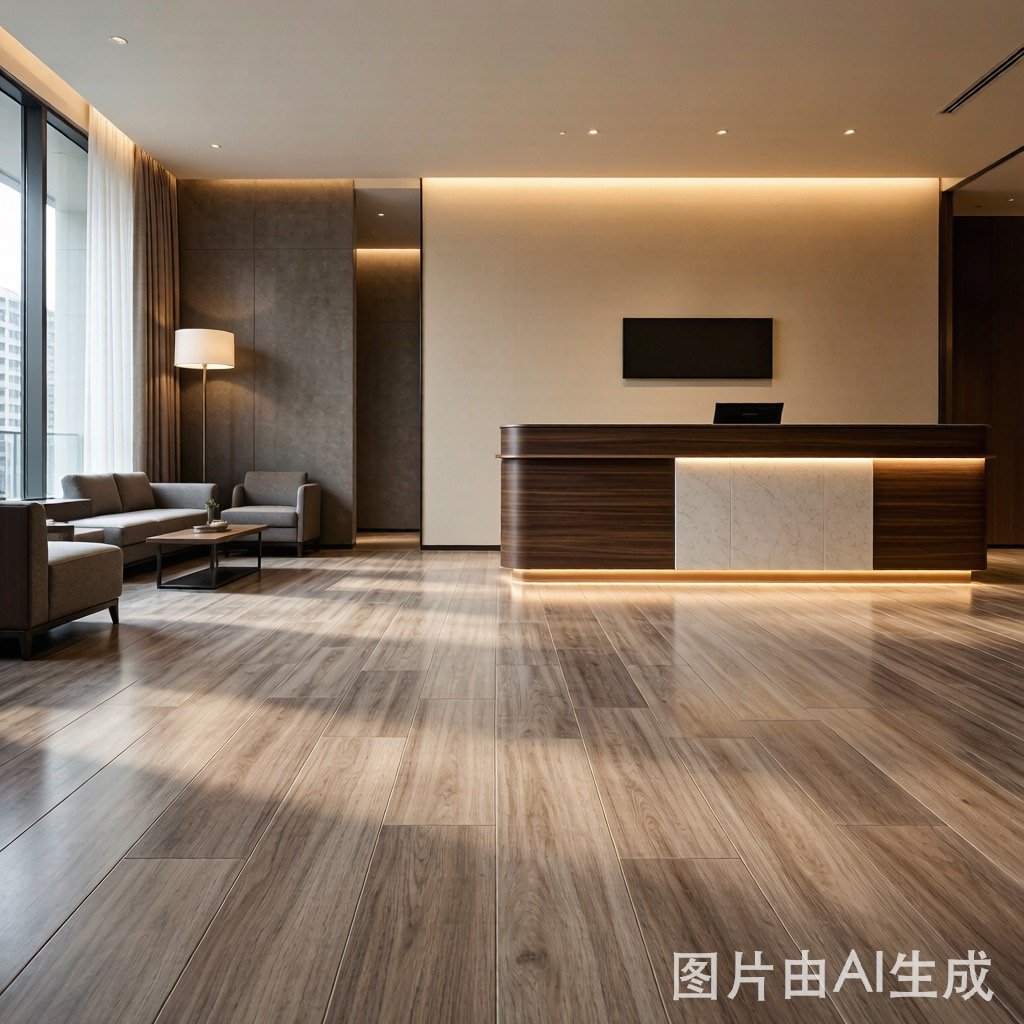
SPC Flooring
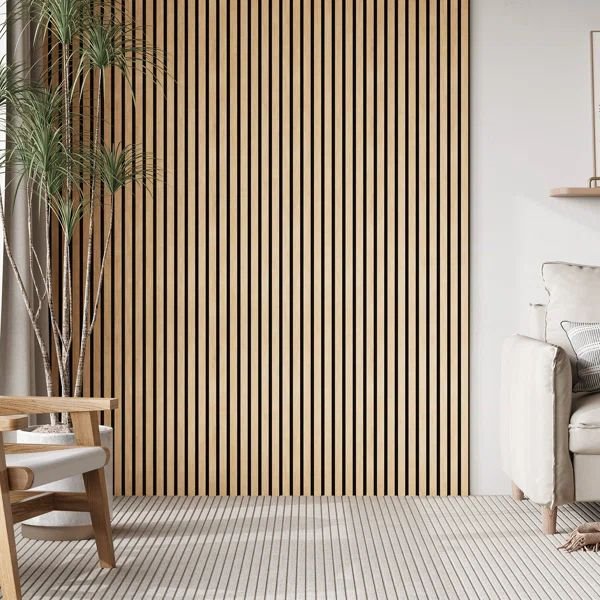
Wall Panels (WPC / PVC)
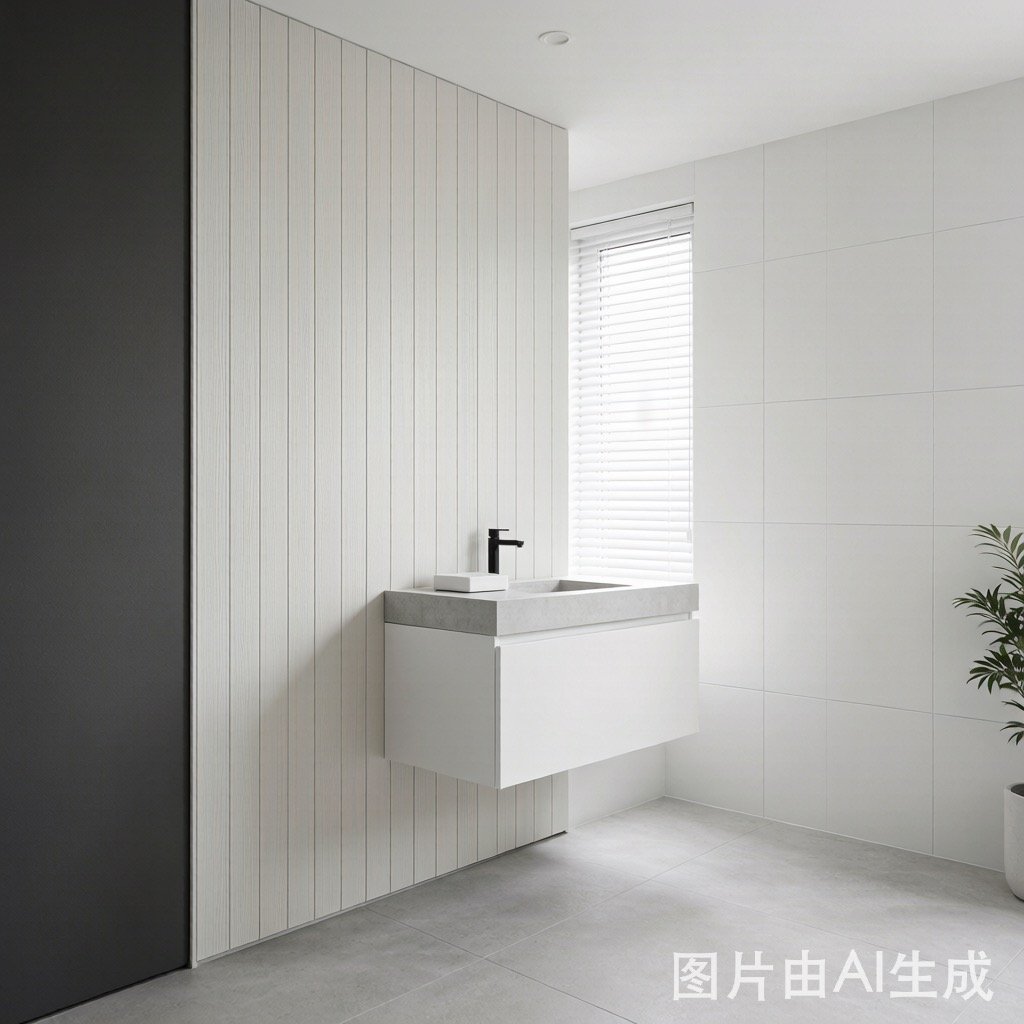
WPC (Wood-Plastic Composite)
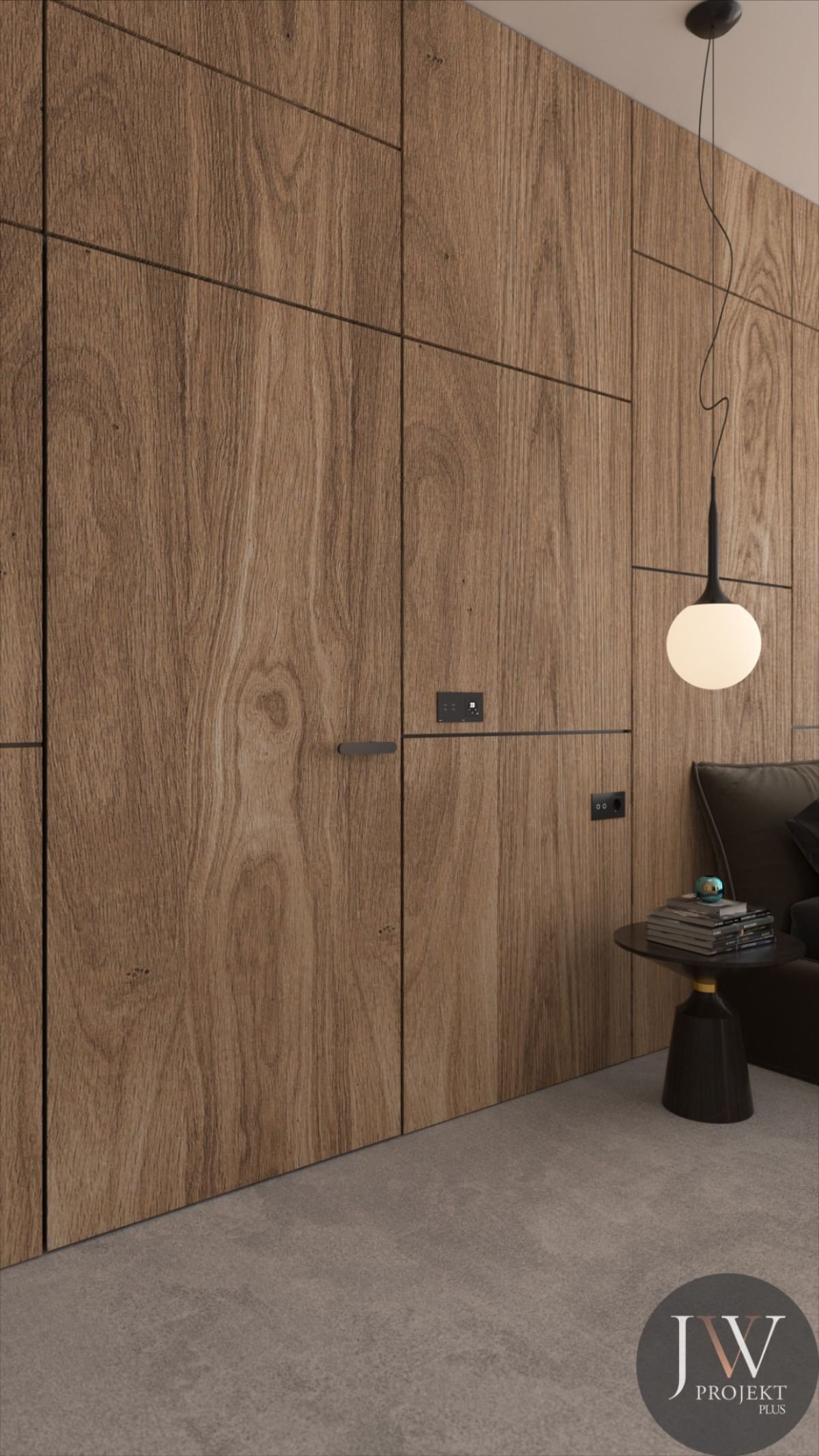
Carbon Crystal Panels
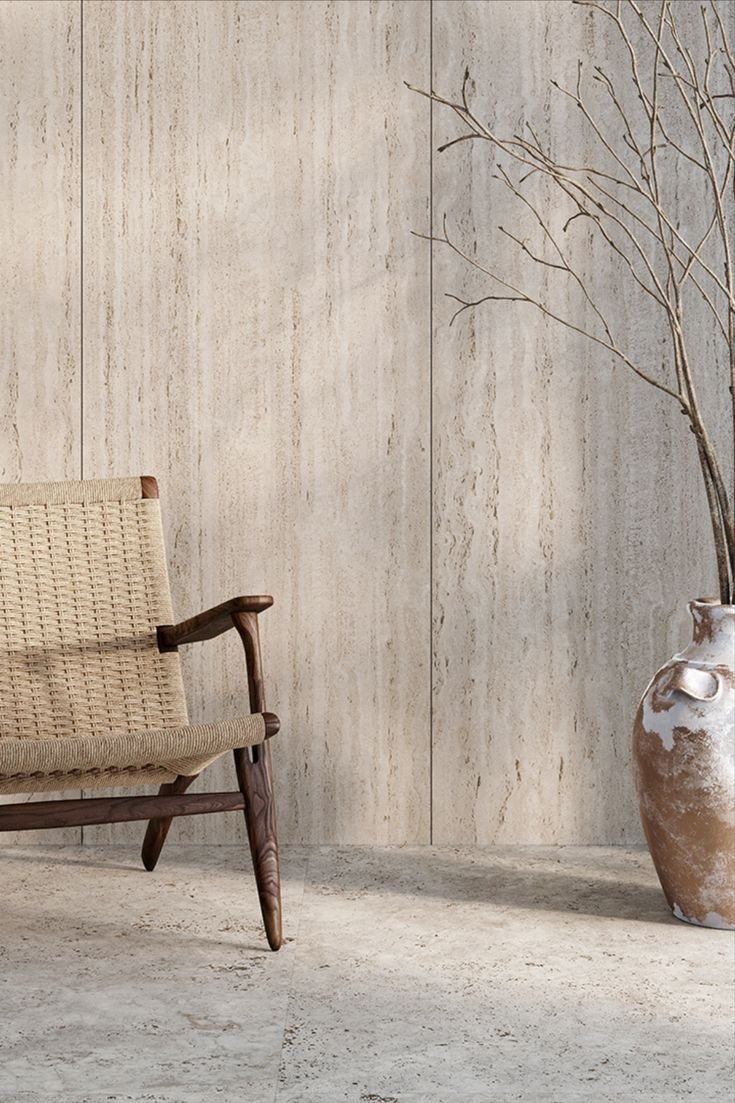
Soft Stone (Flexible Stone)
Renovation Timeline
A renovation is a sequence, not an event. Each step feeds the next — and material procurement is where most schedules are won or lost.
Planning
Define goals, budget, scope and which areas to renovate first. Align stakeholders and set the non-negotiables (brand standard, fire compliance, stay-open vs closure).
Design
Develop layouts, material specifications, lighting and FF&E. Lock finishes early — design changes after procurement start are expensive.
Material Procurement
Order long-lead and imported items 8–12 weeks ahead. Consolidate orders to save on shipping and inspection. This step decides your install date.
Shipping
Consolidated containers move from factory to Thailand, clear customs and arrive at site. Build buffer for customs and peak-season delays.
Installation
Dry construction (flooring, panels, ceilings) proceeds zone by zone. Phased sequencing lets operating rooms keep earning.
Inspection
Snagging, fire-safety and authority inspections. Rectify defects before handover; keep certification documentation organised.
Opening
Hand over, train housekeeping on new materials, photograph for OTA listings and relaunch at the new rate.
How to Reduce Hotel Renovation Costs
Cost reduction is not about buying cheap — it is about reducing waste, lead time and on-site labour. These eight strategies are where the real savings come from.
Choose Dry Construction
Panel and click-lock systems replace wet trades (rendering, screed, tile setting). Less skilled labour, less drying time, less mess — and faster room turnaround.
Use Modular Materials
Standardised panels, doors and casegoods arrive ready to install. Prefabrication shifts cost from expensive on-site time to efficient factory time.
Source Materials Directly from China
Buying through Jaydon Space removes distributor mark-ups — typically 20–40% lower material cost — with consolidated shipping and factory quality inspection handled for you.
Renovate in Phases
Zone-by-zone work keeps rooms open and revenue flowing, spreads capital over time and avoids the premium of a rushed full closure.
Reduce Hotel Closure Time
Stack procurement so installation is continuous. Every day a room is closed is lost income — tight logistics is the cheapest money you can save.
Standardise Guest Rooms
One proven room template across floors cuts design, joinery and training cost, and speeds both install and future maintenance.
Reuse Existing Furniture
Refinish, reupholster or repurpose sound casegoods instead of replacing. Good bones rarely need to go — only the dated surfaces do.
Plan Procurement Early
Order long-lead items before design is even finalised where possible. Early, consolidated buying avoids air-freight premiums and schedule slips. Jaydon Space builds the procurement plan with you from day one.
Common Mistakes
Most renovation overruns are predictable. These six errors show up again and again — and each is avoidable with the right plan.
Choosing Materials Based Only on Price
The cheapest panel often fails fire rating, wears quickly or cannot be cleaned — and gets replaced early. Right-grade commercial materials cost less over the asset's life.
Ignoring Maintenance Costs
Low purchase price can mean high upkeep. Specifying easy-clean, durable finishes protects OPEX and guest satisfaction for years after handover.
Poor Project Scheduling
Starting demolition before materials arrive forces idle labour and air freight. Procurement must lead installation — never the reverse.
Lack of Fire Compliance
Using non-certified panels in a hotel risks failed inspection, rework and legal exposure. Always specify fire-rated materials and keep certification on file.
Ordering Incorrect Quantities
Under-ordering stops the line; over-ordering wastes budget and storage. Accurate take-offs with wastage allowance prevent both — and consolidate shipping.
Using Residential Materials
Home-grade flooring and panels are not built for commercial traffic, humidity and cleaning. They fail fast in hotels. Specify contract/commercial grade.
Frequently Asked Questions
Practical answers to the questions owners and project managers ask most. These are also the long-tail searches that bring hotels to this guide.
Related Solutions
Renovation cost is only useful in context. Explore the solution pages behind each property type.
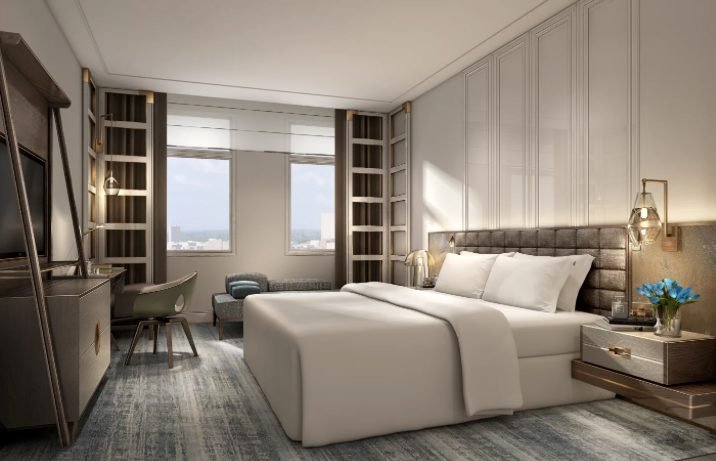
Hotel Renovation
Guest room upgrades, corridor renovations, lobby transformations and bathroom refreshes.
Explore Solution →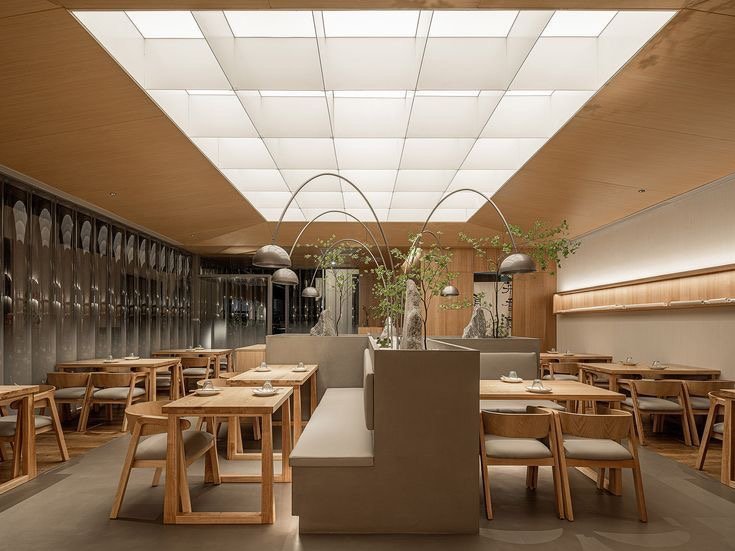
Restaurant Renovation
Interior upgrades, durable wall and floor systems, and lighting designed for atmosphere.
Explore Solution →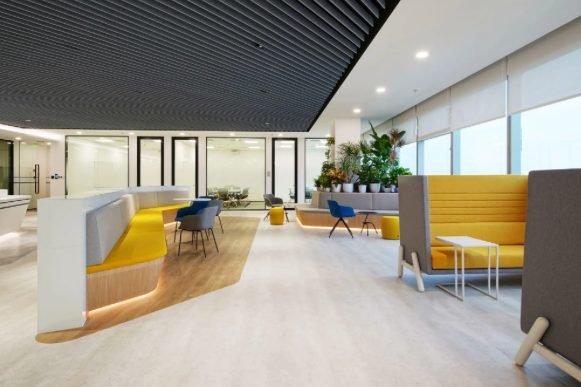
Office Renovation
Workspace upgrades, meeting rooms and acoustic solutions for modern offices.
Explore Solution →Related Products
The materials referenced throughout this guide. Full specifications, finishes and sampling on each product page.
SPC Flooring
Waterproof, scratch-resistant click-lock flooring for rooms and public areas.
View Product →Wall Panels
Fast-install decorative wall systems for commercial interiors.
View Product →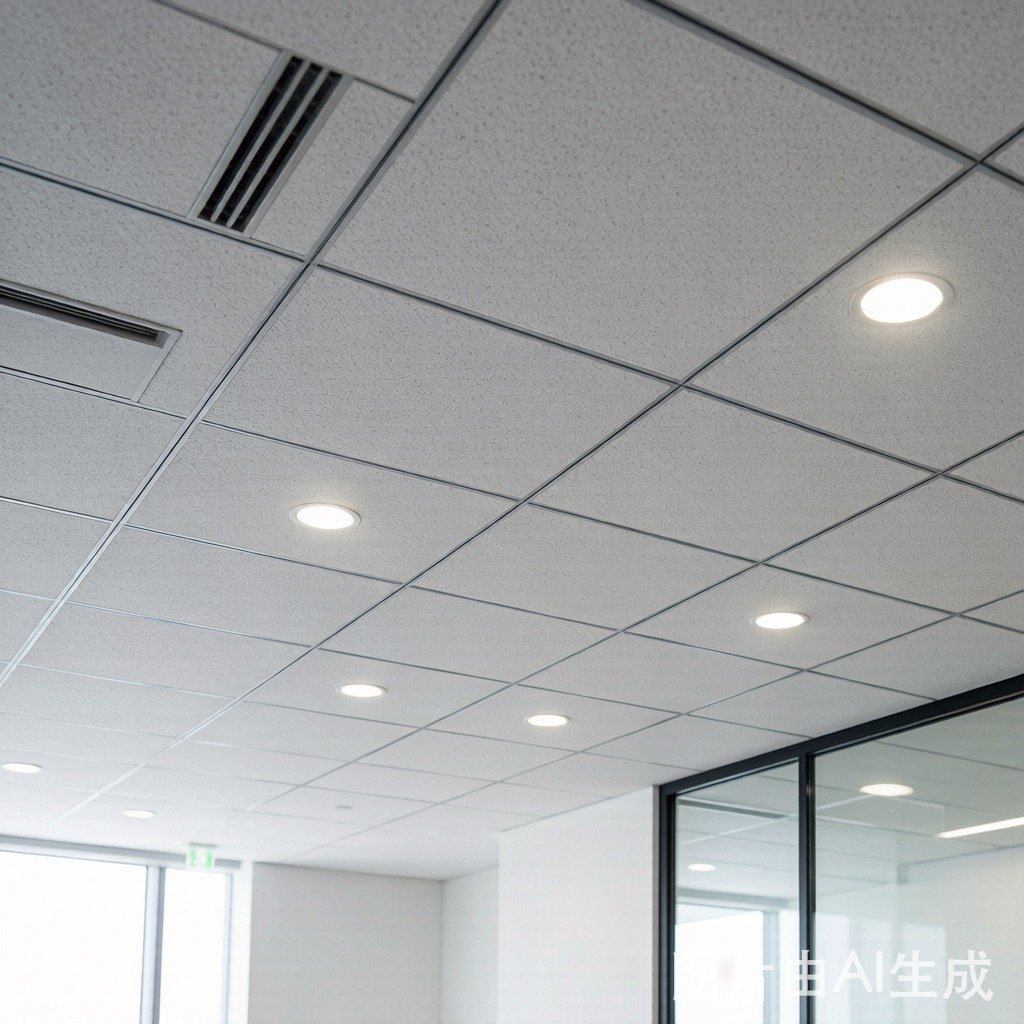
Ceiling Systems
Commercial ceiling solutions for modern, acoustically comfortable interiors.
View Product →Soft Stone
Flexible natural stone veneer for feature walls and curved surfaces.
View Product →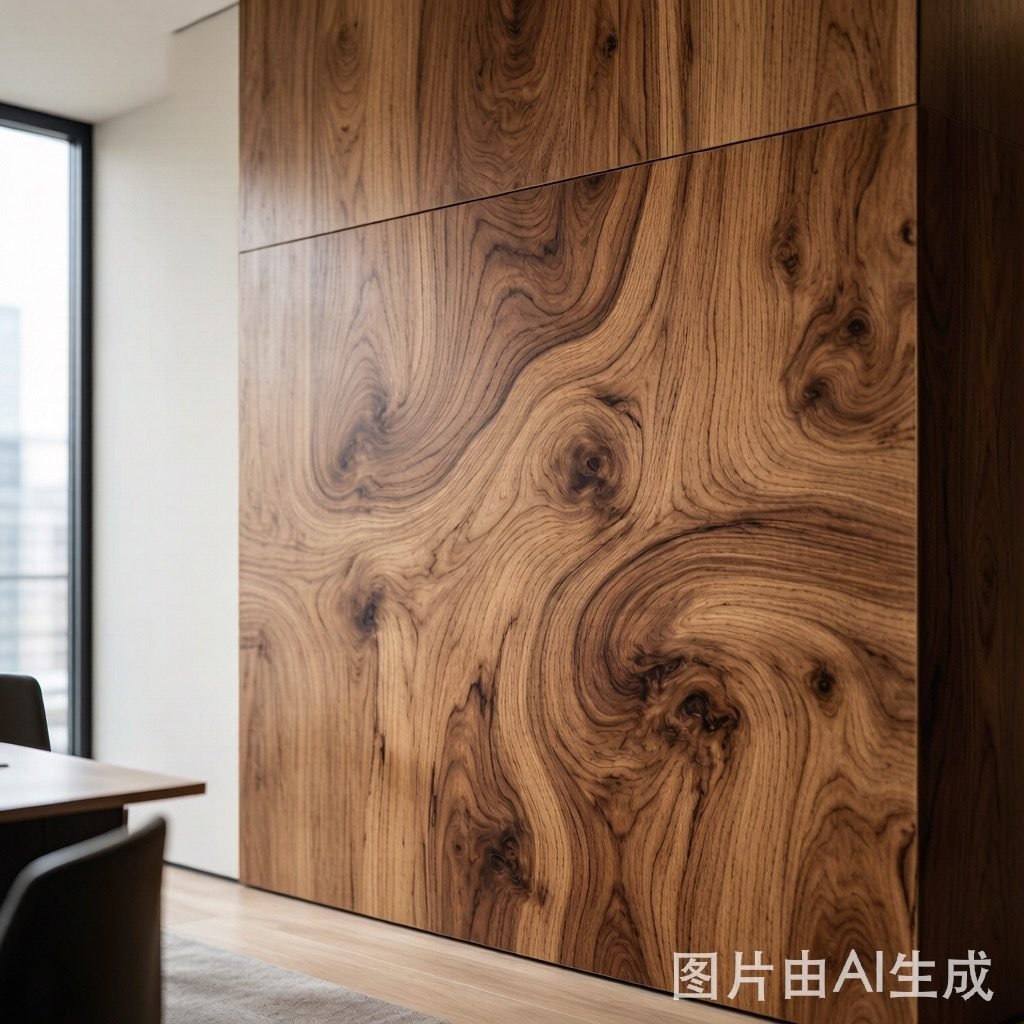
Wood Veneer
Real wood veneer panels for warm, premium hospitality interiors.
View Product →Carbon Crystal Panels
Slim, premium stone-like panels for lobby and reception feature walls.
View Product →Planning a Hotel Renovation Project in Thailand?
Whether you're upgrading a hotel, resort, serviced apartment or hospitality space, our team can help you select the right materials, optimise renovation costs and simplify sourcing from China.
Contact Jaydon SpaceRelated Insights
More practical guides from the Jaydon Space knowledge centre.
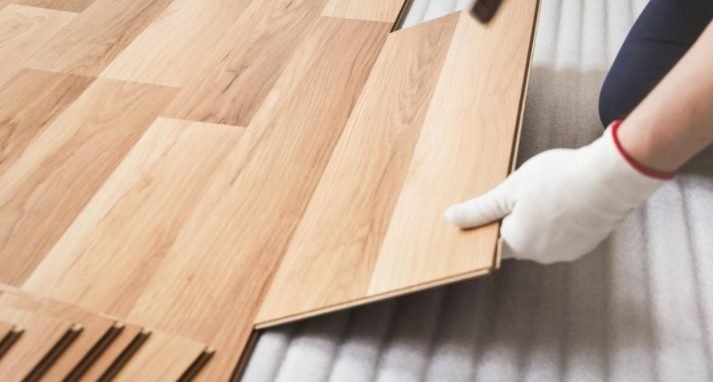
SPC Flooring vs Traditional Tiles
A practical comparison for condo and hotel renovations — cost, durability and install time.
Read More →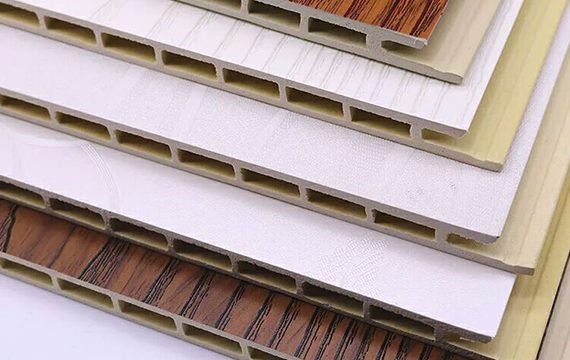
The Real Cost of Cheap Wall Panels
Why going cheap on wall panels often costs more long term — and how to choose right.
Read More →
Post-Pandemic Office Design 2026
What tenants actually want, and how the right materials attract quality occupants.
Read More →Get a Free Renovation Quote
Tell us about your hotel, condo or office project in Bangkok or Pattaya — we'll help with material selection, sourcing and a no-obligation quote.