
A Practical Guide to Reducing Risk, Controlling Costs, and Delivering Better Projects
Commercial renovation projects involve many moving parts. Most cost overruns and delays are not caused by construction itself, but by poor planning, weak coordination and decisions made before work begins.
Why do commercial renovation projects go wrong?
Most failures stem from poor communication, incomplete planning, unrealistic timelines, weak supplier management and budget assumptions rather than construction errors.
Can most renovation risks be prevented?
Yes. The majority of risks can be reduced or eliminated before construction begins through clear objectives, material specifications, procurement planning and staged inspections.
What is the biggest cost mistake?
Budgeting only for the purchase price of materials without including logistics, installation, maintenance, contingencies and business interruption.
What You Need to Know
The principles that matter most for this topic.
Start with clear objectives
Define scope, budget, timeline and success criteria before selecting materials or contractors.
Choose materials for lifecycle value
Initial price is only part of the cost. Durability, maintenance, cleaning and replacement determine the true investment.
Coordinate procurement early
Order materials before installation is scheduled and confirm delivery dates, inspection points and shipment consolidation.
Inspect at every stage
Staged inspections during production, delivery and installation catch issues early when they are cheaper to fix.
Why Commercial Renovation Projects Fail
Understanding the root causes of renovation failure helps you build prevention into the project from the start.
Poor communication
Designers, contractors, suppliers and owners interpret requirements differently when communication is fragmented.
Incomplete planning
Skipping detailed drawings, specifications and schedules leads to disputes and rework later.
Unrealistic timelines
Compressed schedules often force rushed decisions, overtime costs and lower-quality outcomes.
Budget assumptions
Budgets based on rough estimates rather than quotations and contingencies invite overruns.
Weak supplier management
Without coordination, suppliers deliver at different times, causing delays and site congestion.
Most commercial renovation failures are failures of planning, not failures of construction skill.
Planning Mistakes
Planning mistakes are the most expensive because they affect everything that follows.
Common planning mistakes
- Undefined project objectives
- No renovation strategy
- Poor space planning
- Ignoring business operations
- No contingency plan
- Changing requirements too frequently
To avoid these issues, hold a project kick-off that includes design, procurement, construction and operations stakeholders. Document decisions, set a change-control process and define how the renovation will coexist with ongoing business operations.
Budget Mistakes
A budget that only covers purchase price is incomplete. Total cost of ownership includes far more.
Hidden cost categories
Logistics, installation, maintenance, replacements, cleaning and operational downtime all add to the real cost of a renovation.
Missing contingency
Unexpected conditions, scope changes and material price movements require a contingency reserve, typically 10–20% depending on project uncertainty.
Price-only buying
Selecting the cheapest option often leads to higher lifecycle costs, shorter service life and more frequent repairs.
Total Cost of Ownership (TCO) gives a more accurate picture than purchase price alone.
Material Selection Mistakes
Materials chosen for appearance or price alone often perform poorly in commercial environments.
Material selection pitfalls
- Choosing residential-grade materials for commercial use
- Ignoring durability
- Ignoring humidity and climate
- Ignoring maintenance requirements
- Following trends instead of operational needs
- Mixing incompatible materials
Select materials based on traffic intensity, climate, cleaning regime, expected lifespan and compatibility with adjacent materials. For humid climates, prioritise moisture resistance and dimensional stability.
Procurement Mistakes
Procurement is where many projects lose time and money. Early coordination is the best protection.
Procurement mistakes to avoid
- Too many suppliers without coordination
- Late ordering
- No supplier verification
- No quality inspection
- Poor production tracking
- Incomplete documentation
- No shipment planning
Read more about choosing the right sourcing model in our China Factory vs Trading Company guide, and learn how consolidation can reduce logistics risk in How to Consolidate Multiple Suppliers into One Shipment.
Logistics and Scheduling Mistakes
Even the right materials cause problems if they arrive at the wrong time or in the wrong sequence.
Separate shipments
Multiple uncoordinated deliveries increase handling, customs work and the risk of missing items.
Delayed materials
Production delays or shipping congestion can stop installation if no buffer is built into the schedule.
Wrong installation sequence
Materials that must be installed before or after other trades need to arrive in the correct order.
Storage problems
On-site storage without climate control can damage moisture-sensitive materials before installation.
Installation Mistakes
Good materials perform poorly if substrate preparation or installation quality is inadequate.
Installation quality controls
- Proper substrate preparation
- Correct installation methods
- Mock-up testing
- Staged inspections
- Workmanship coordination
- Quality acceptance standards
Require mock-ups for finishes and staged inspections before final acceptance. Document acceptance criteria so installers and supervisors share the same standard.
Maintenance Oversights
The cheapest materials to buy are not always the cheapest to maintain.
High-maintenance choices
Materials that require frequent cleaning, polishing or refinishing increase long-term operating costs.
No maintenance plan
Without a schedule, minor issues become major repairs and shorten material life.
No spare materials
Keeping a small reserve of finishes allows faster repairs and consistent appearance over time.
For material selection strategies that reduce long-term maintenance, see our guide to low-maintenance materials.
Read the Low-Maintenance GuideRisk Prevention Checklist
Use this checklist to prevent mistakes at each stage of the renovation lifecycle.
Planning
- Objectives defined
- Budget approved with contingency
- Timeline confirmed with buffer
Material Selection
- Specifications finalised
- Samples approved
- Quantities verified
Procurement
- Suppliers verified
- Quality inspections scheduled
- Shipment plan confirmed
Installation
- Site prepared
- Materials received
- Quality checkpoints established
Handover
- Final inspection completed
- Maintenance guide provided
- Spare materials stored
Realistic Renovation Scenarios
These examples show how small process improvements can prevent common mistakes.
Office Renovation
Problem: Materials arrived in multiple shipments, delaying installation. Solution: Consolidated procurement and synchronized delivery.
Restaurant Renovation
Problem: Flooring selected only on price wore out prematurely. Solution: Chose commercial-grade flooring with lower lifecycle costs.
Hotel Renovation
Problem: Guest rooms renovated without a phased schedule reduced occupancy. Solution: Renovated floor-by-floor while maintaining operations.
How Jaydon Space Solutions Helps
We help commercial renovation teams reduce mistakes through better material planning, supplier coordination and procurement timing.
We review project requirements, recommend suitable materials, coordinate suppliers and align delivery schedules with construction. Our focus is on preventing the planning, procurement and logistics mistakes that cause delays and cost overruns.
Want a second opinion on your renovation plan?
Request a Project ReviewFrequently Asked Questions
Practical answers written for featured snippets and AI citation.
Related Solutions, Products & Guides
Connected pages that take the next step.
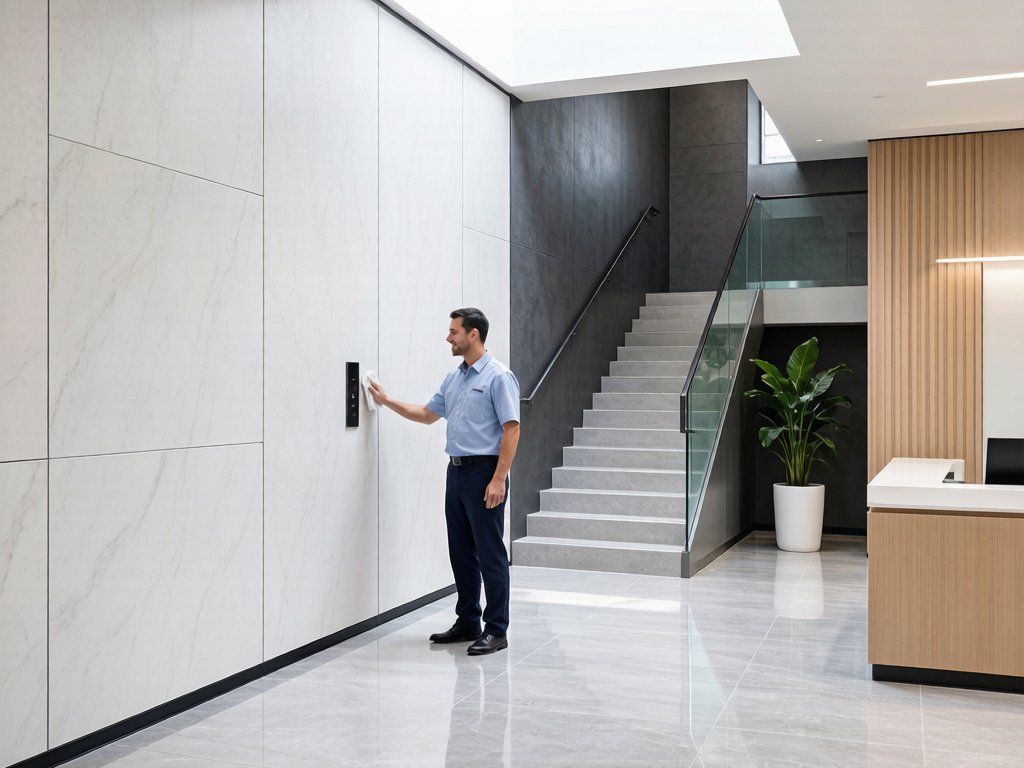
How to Select Building Materials That Reduce Long-Term Maintenance Costs
Shift from purchase price to lifecycle cost when selecting commercial renovation materials.
View →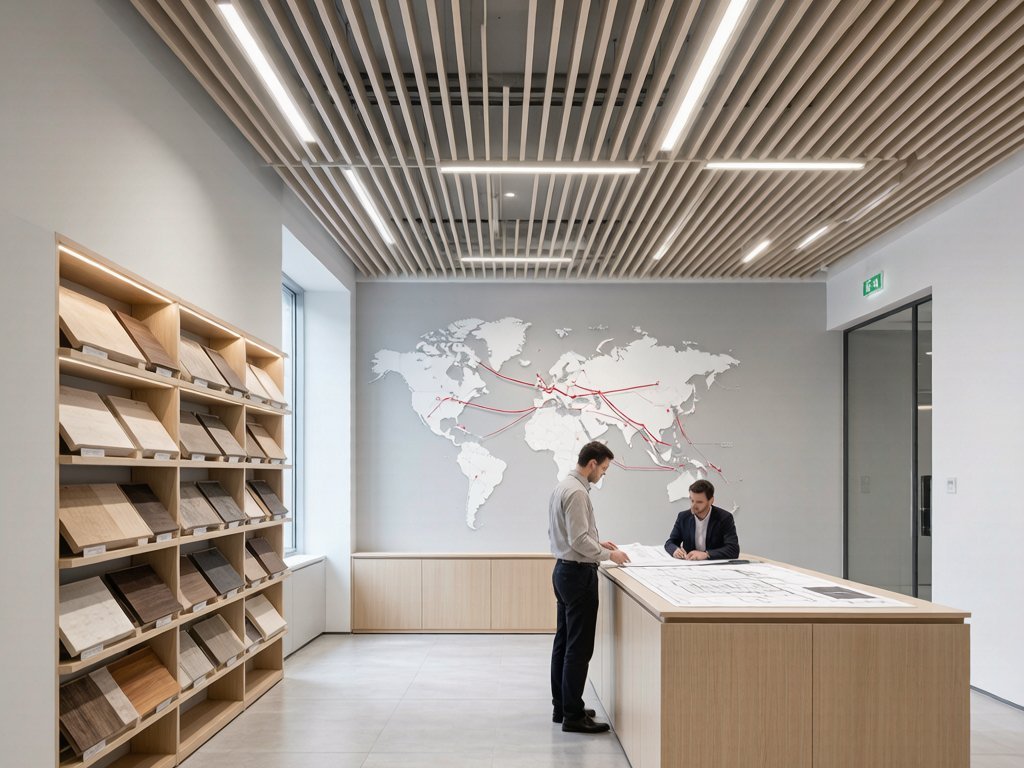
China Factory vs Trading Company: Which Is Better?
Compare factories, trading companies and procurement partners for commercial projects.
View →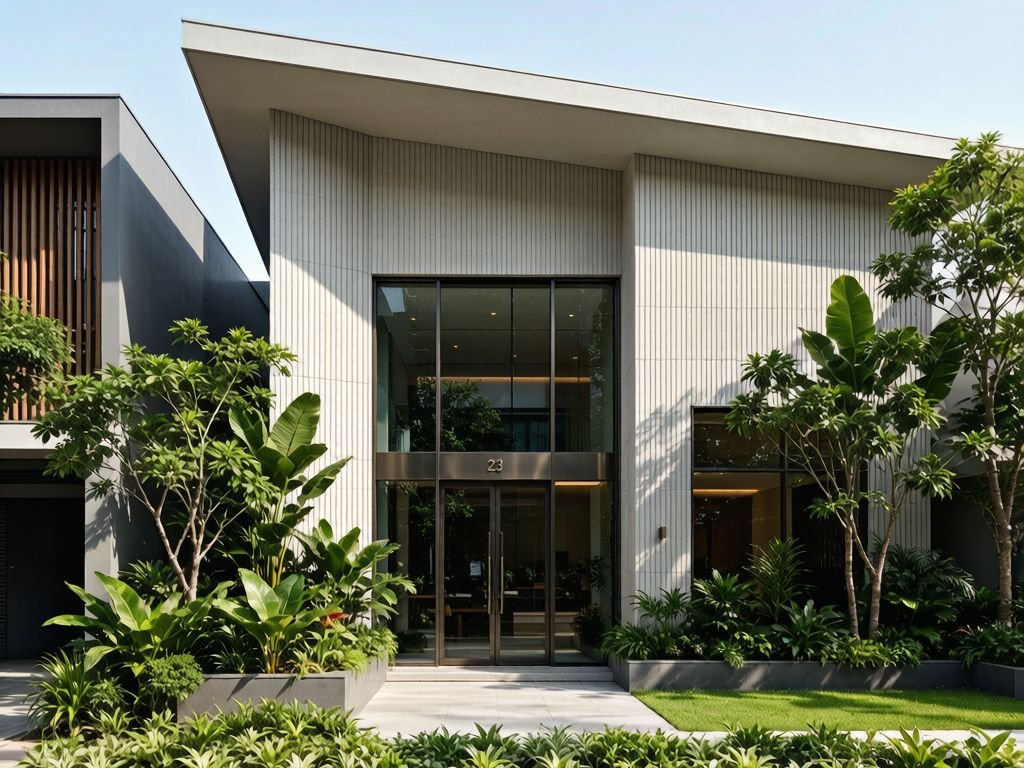
Building Materials for Tropical Climates
Choose materials that resist humidity, UV and mould for Southeast Asian commercial projects.
View →Worried about renovation mistakes?
Tell us about your project. We can review your plan, material choices and procurement schedule to identify risks before construction starts.
Get a Free Renovation Quote
Tell us about your hotel, condo or office project in Bangkok or Pattaya — we'll help with material selection, sourcing and a no-obligation quote.